Artificial intelligence (AI) is changing how people work, learn and solve problems. For employers and educators, that raises an important question: How can south-central Kansas prepare its workforce to use AI effectively while continuing to develop the human expertise that makes the technology valuable?
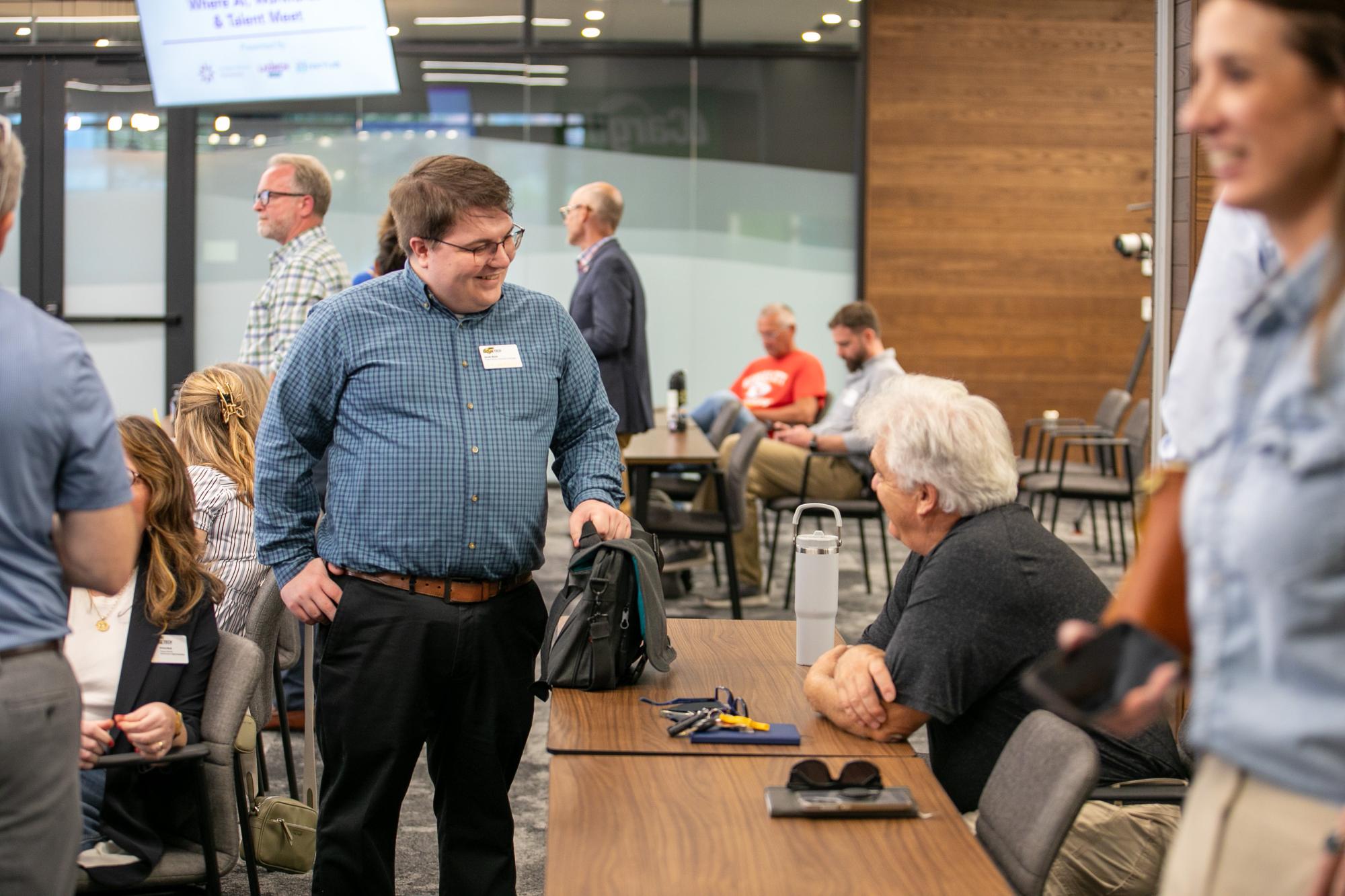
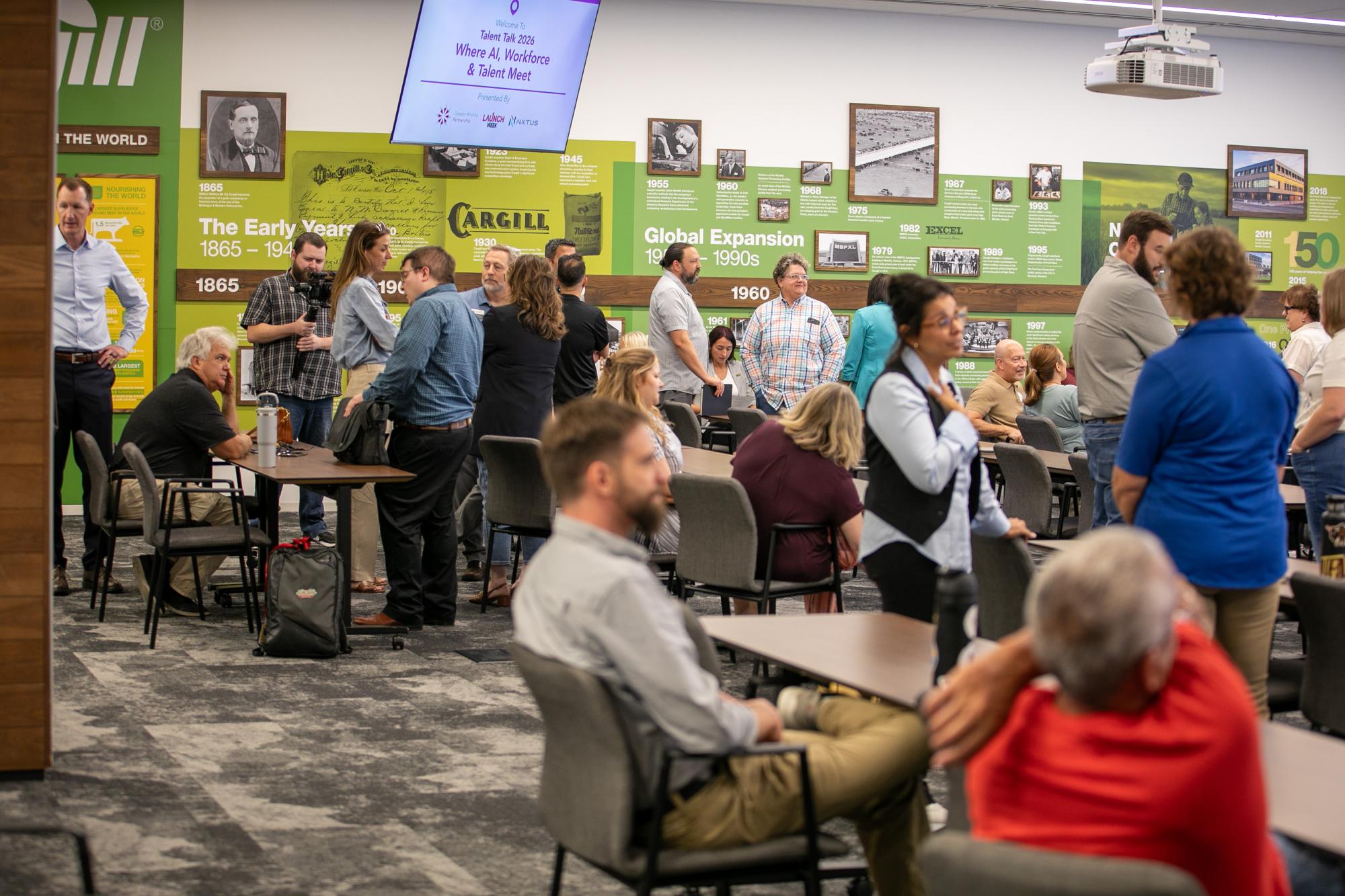
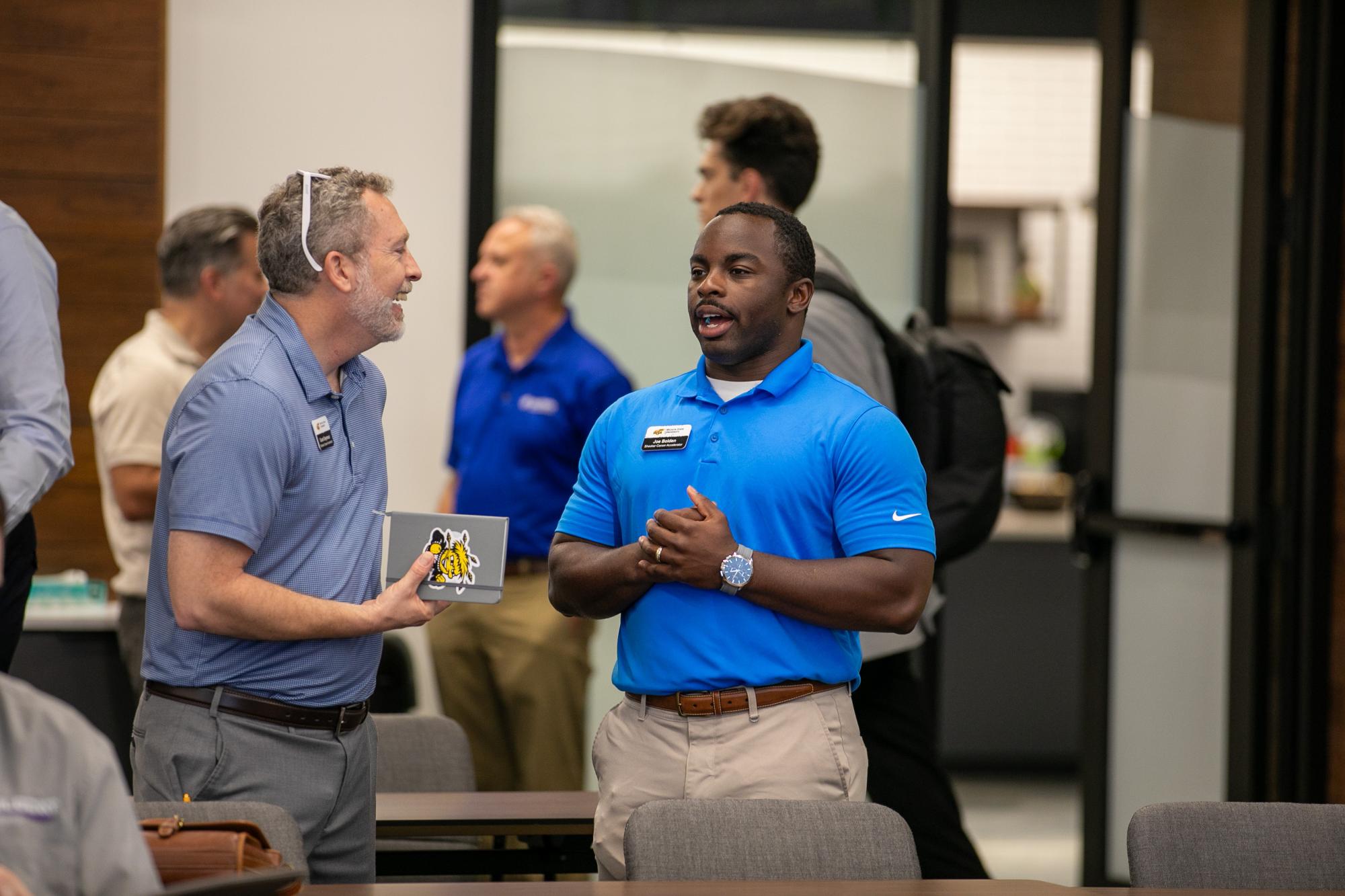
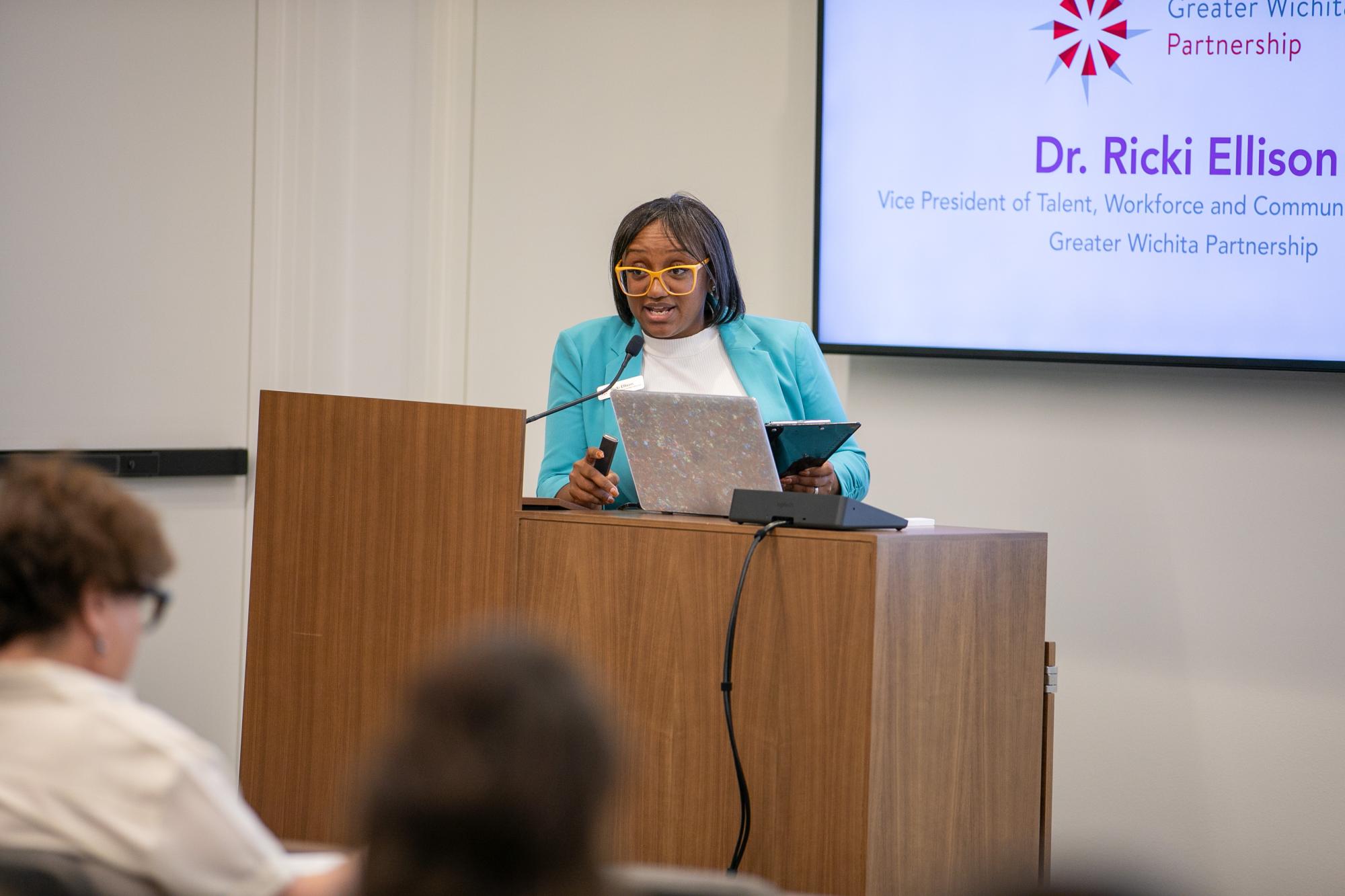
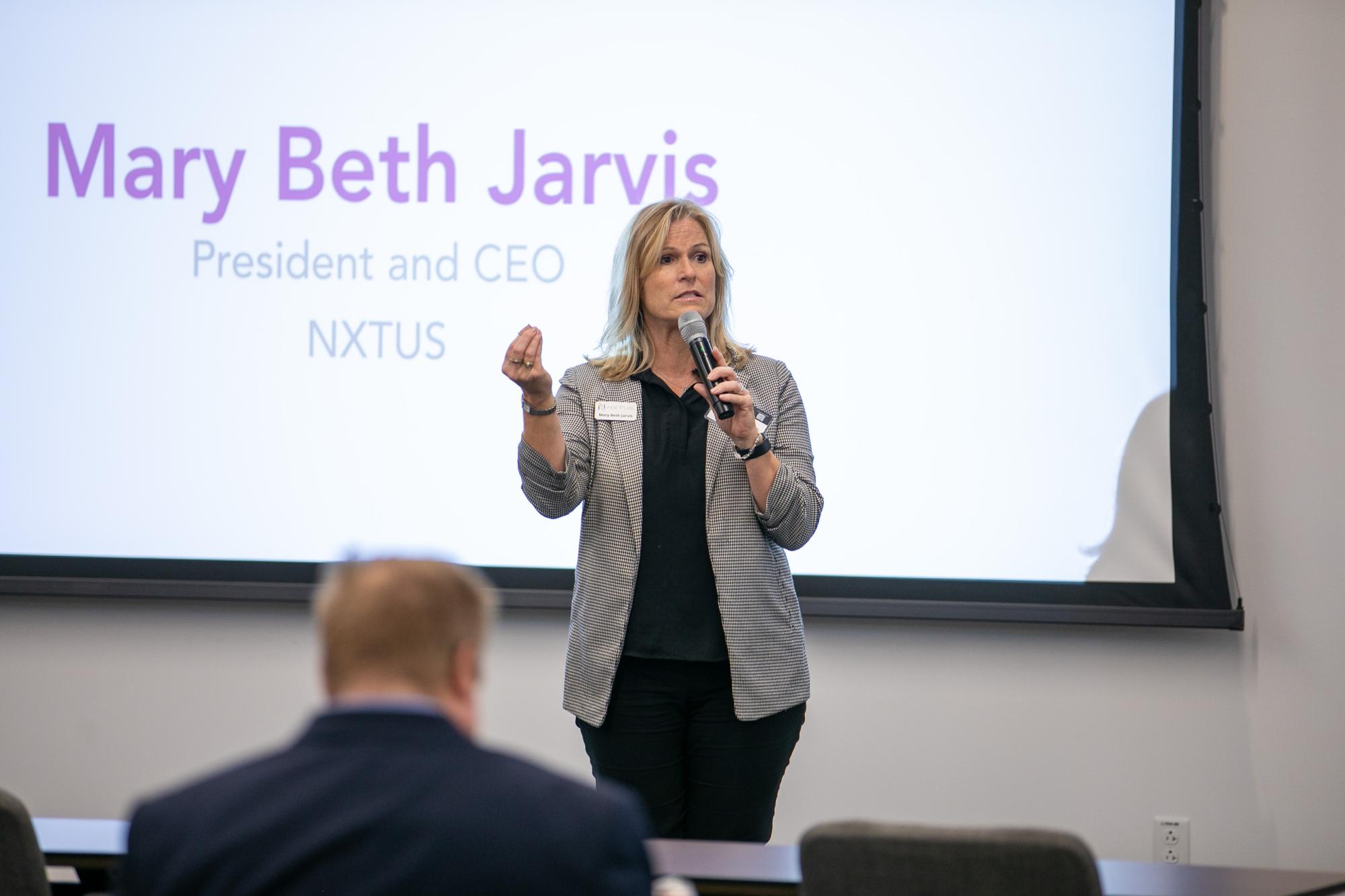
That question took center stage on Sept. 14 at the Partnership’s Talent Talk: Where AI, Workforce & Talent Meet. Held as part of Launch Week, the event brought approximately 70 regional leaders together to explore how AI is influencing the workplace, how education can prepare students for an AI-enabled economy, and how business and education can work together to prepare the region’s talent.
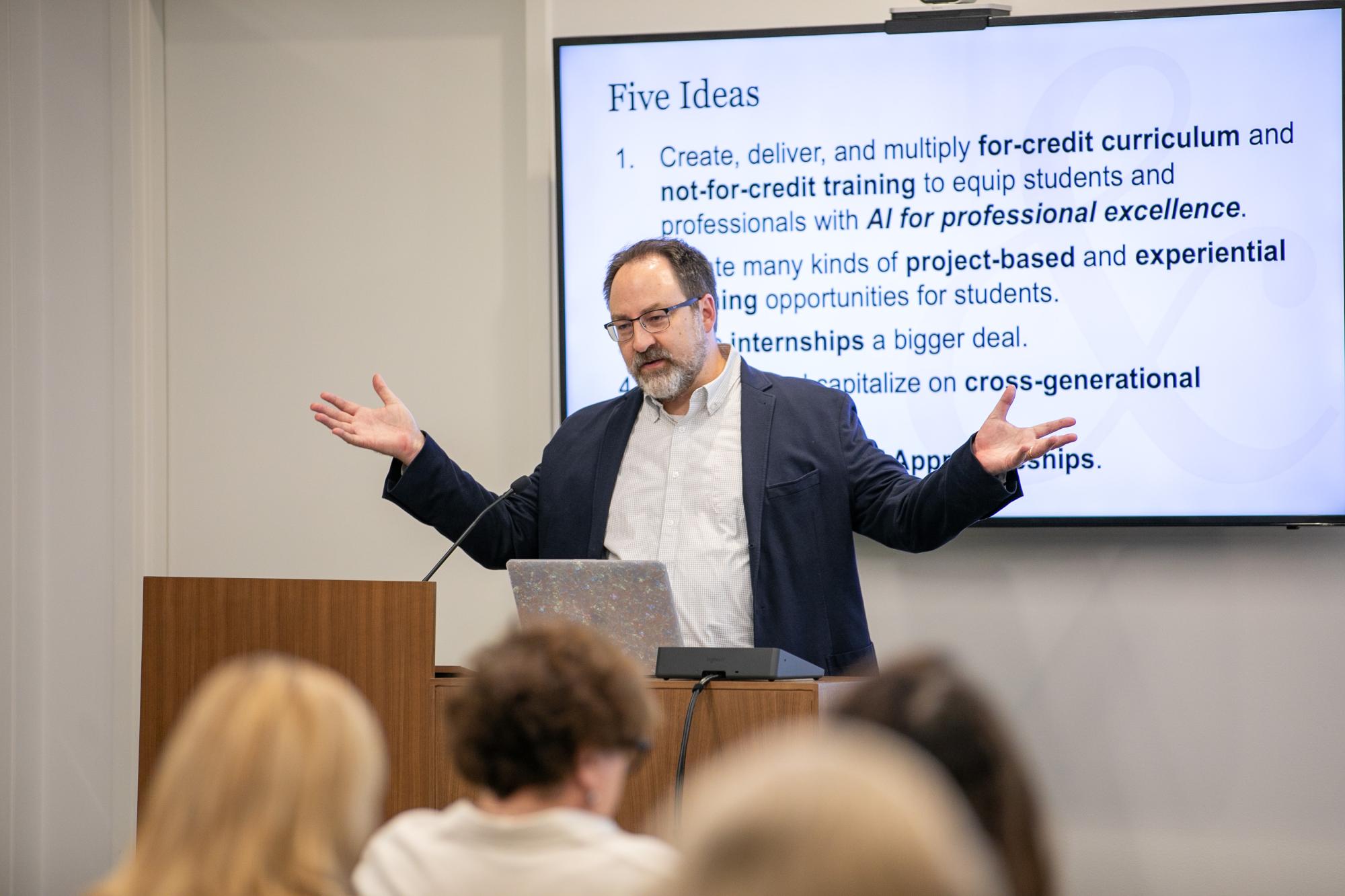
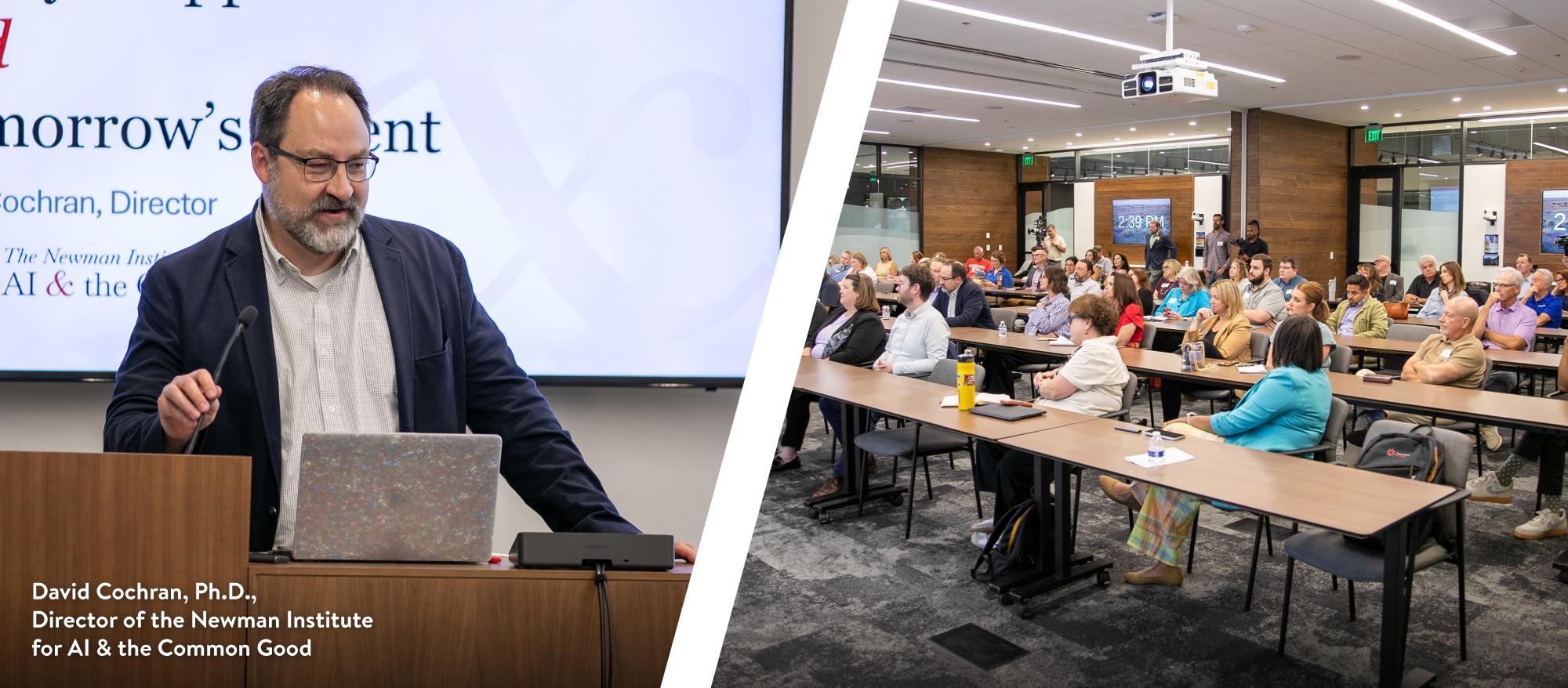
The conversation featured a keynote from David Cochran, Ph.D., director of the Newman Institute for AI & the Common Good, followed by industry and education panels.
AI Is Changing Work, But Humans Still Matter
Cochran opened the conversation by examining the opportunities and challenges AI presents. While some jobs may be affected by automation, he pointed to emerging data showing that AI is not simply eliminating work. In some cases, organizations are finding they need human expertise to handle complex tasks, evaluate information and make decisions.
He also highlighted examples of companies using AI to elevate their existing workforce rather than simply replace it. One example was IKEA, which trained customer support employees to become entry-level interior designers and equipped them with AI tools. This approach let employees take on new responsibilities while helping the company serve customers in ways it couldn't before.
The takeaway is that AI can create more value when organizations invest in people alongside the technology.
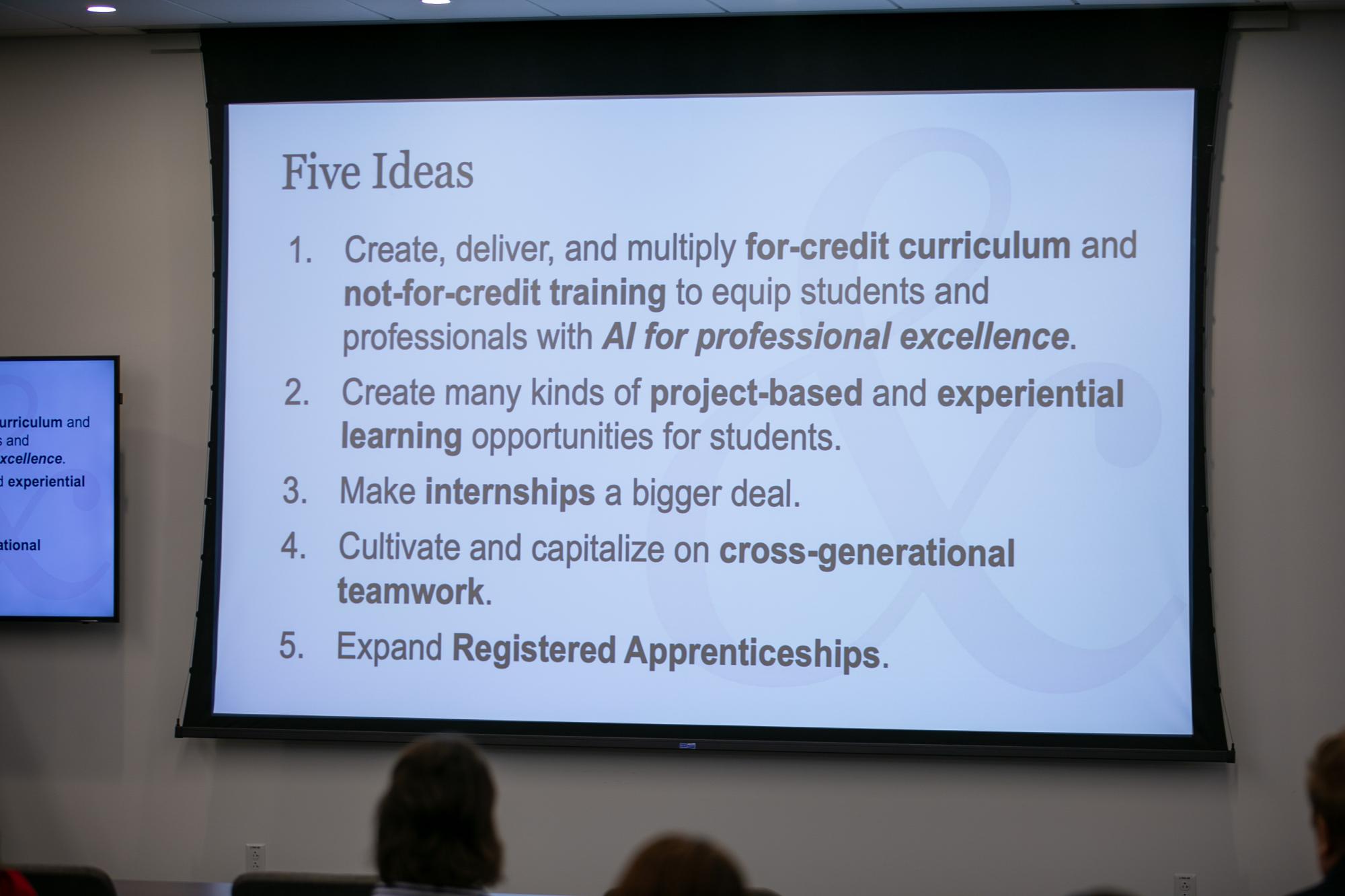
Cochran also emphasized that traditional skills continue to matter. Communication, teamwork, and critical thinking remain important for entry-level employees, while employers are increasingly looking for AI skills such as knowing which tools to use, directing AI effectively and evaluating its output.
How AI Is Changing Work
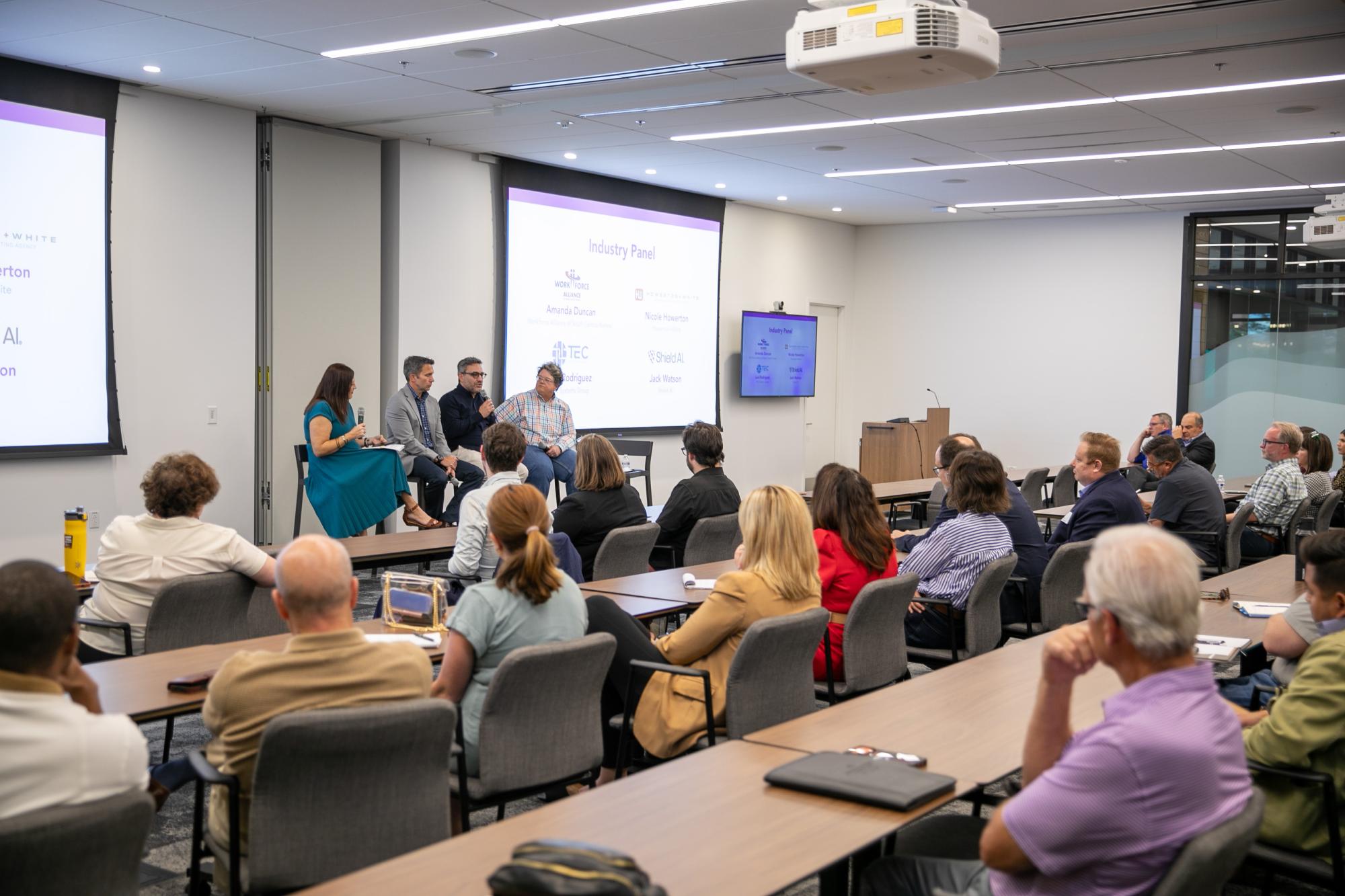
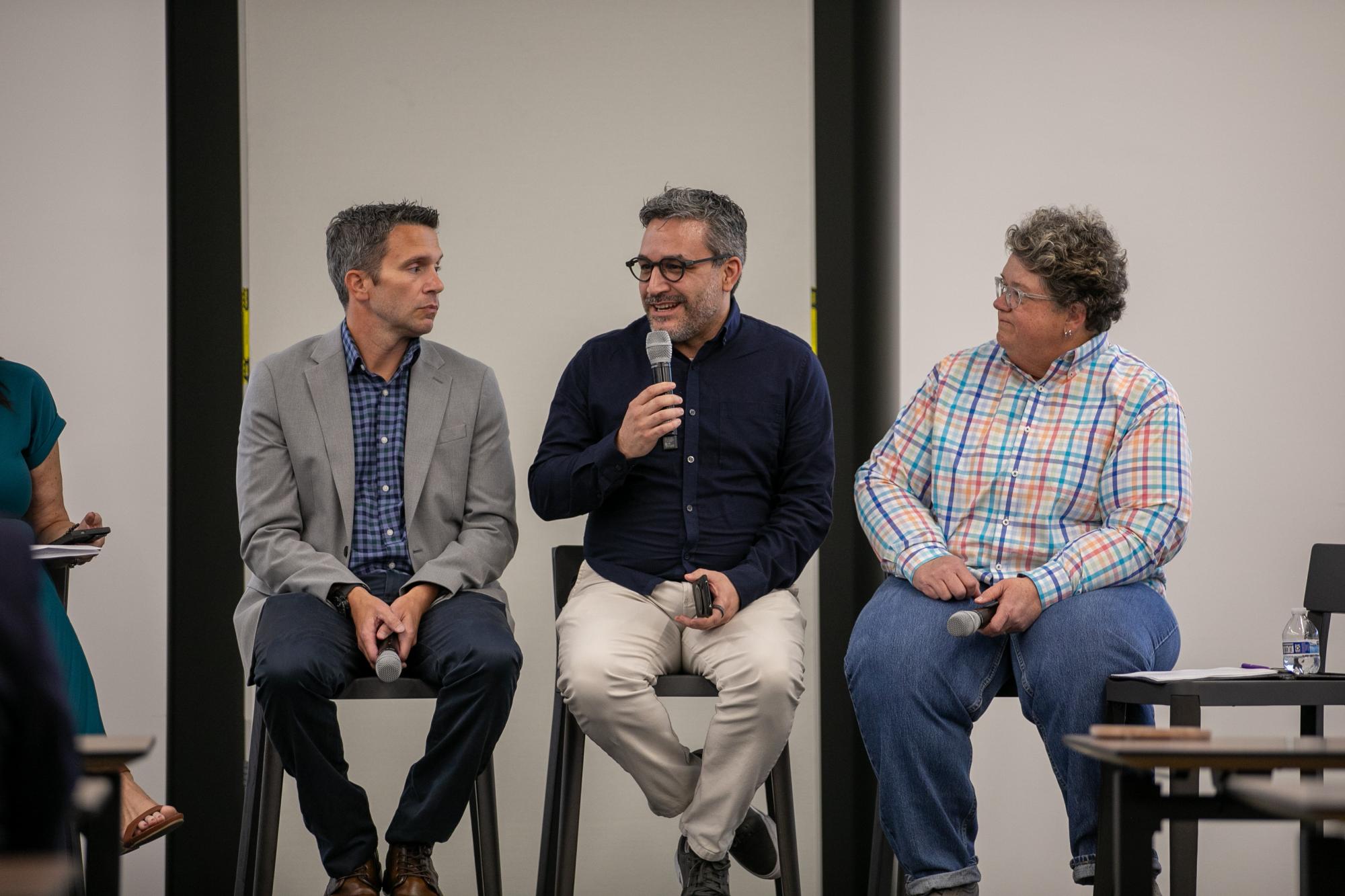
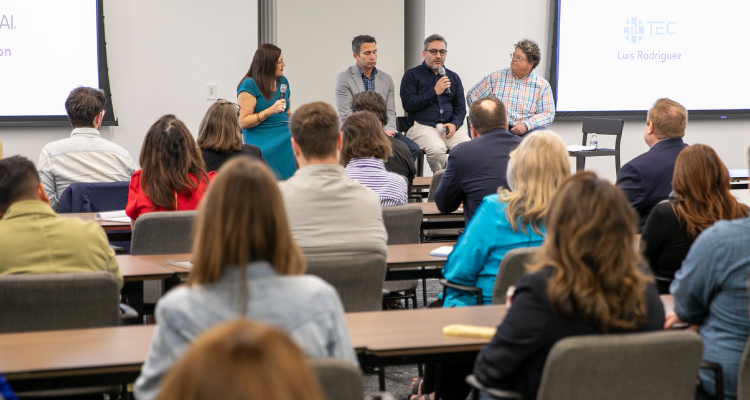
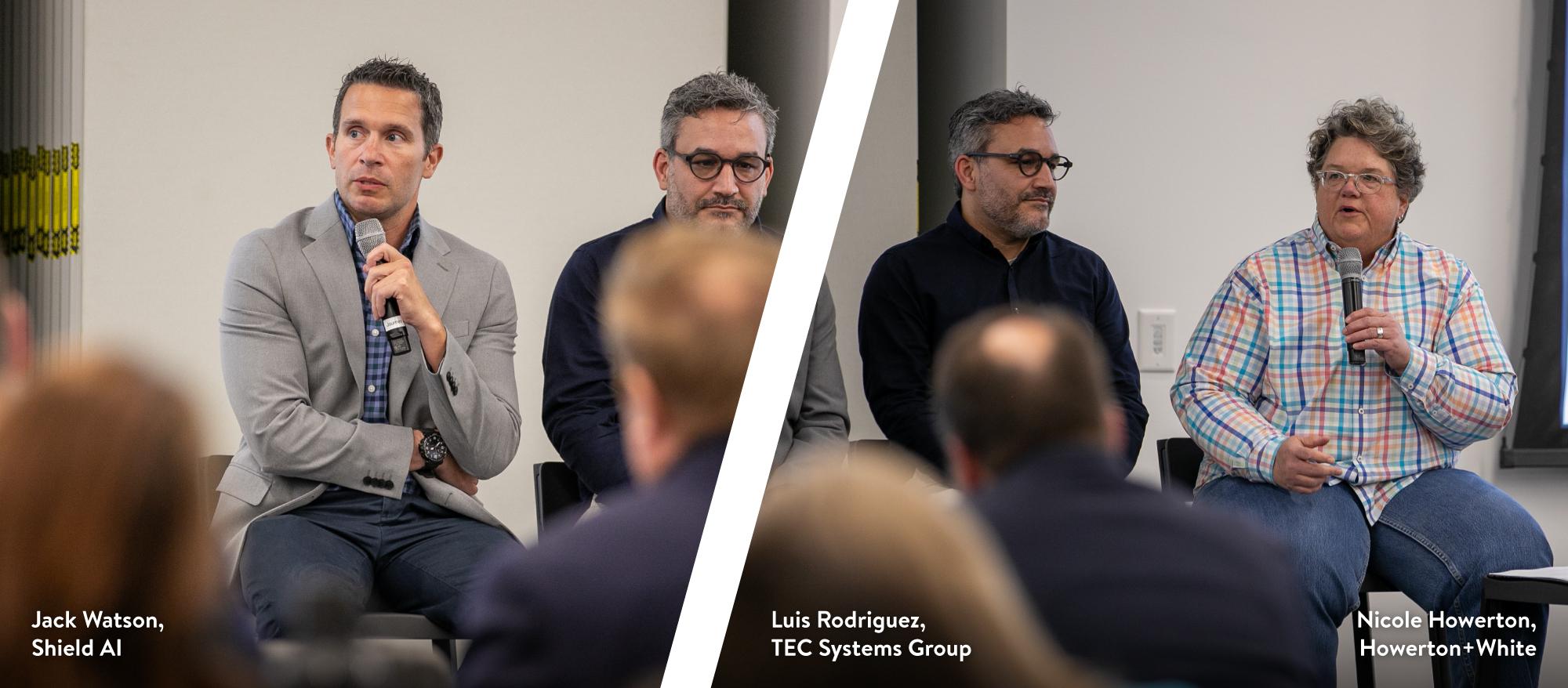
The industry panel, moderated by Amanda Duncan of the Workforce Alliance of South Central Kansas, brought perspectives from Nicole Howerton of Howerton+White, Luis Rodriguez of TEC Systems Group and Jack Watson of Shield AI.
Panelists shared how their organizations are using AI, including parts inspections, internal business processes and data analysis.
They described a workplace where the distance between knowledge and application is shrinking. Tasks that once took months, including research and some coding, can now happen much faster. That creates opportunities for employees to spend more time on strategy, problem-solving and other higher-level work.
However, faster work does not eliminate the need for people who understand the work. Panelists explained that companies still need employees with critical thinking, innovation, motivation and the expertise to recognize what good work looks like.
Nicole Howerton described AI as an accelerant, but emphasized that technology alone cannot create the ideas and judgment needed to use it effectively.
“AI is the accelerant, not the match. We still need lots of matches to do critical thinking in order for the accelerant to work," Howerton explained.
Panelists also shared that employers may need to rethink how they train and support entry-level employees. Without years of experience to draw from, newer workers may need more intentional onboarding, mentorship and opportunities to apply what they are learning.
Preparing the Next Generation of Talent
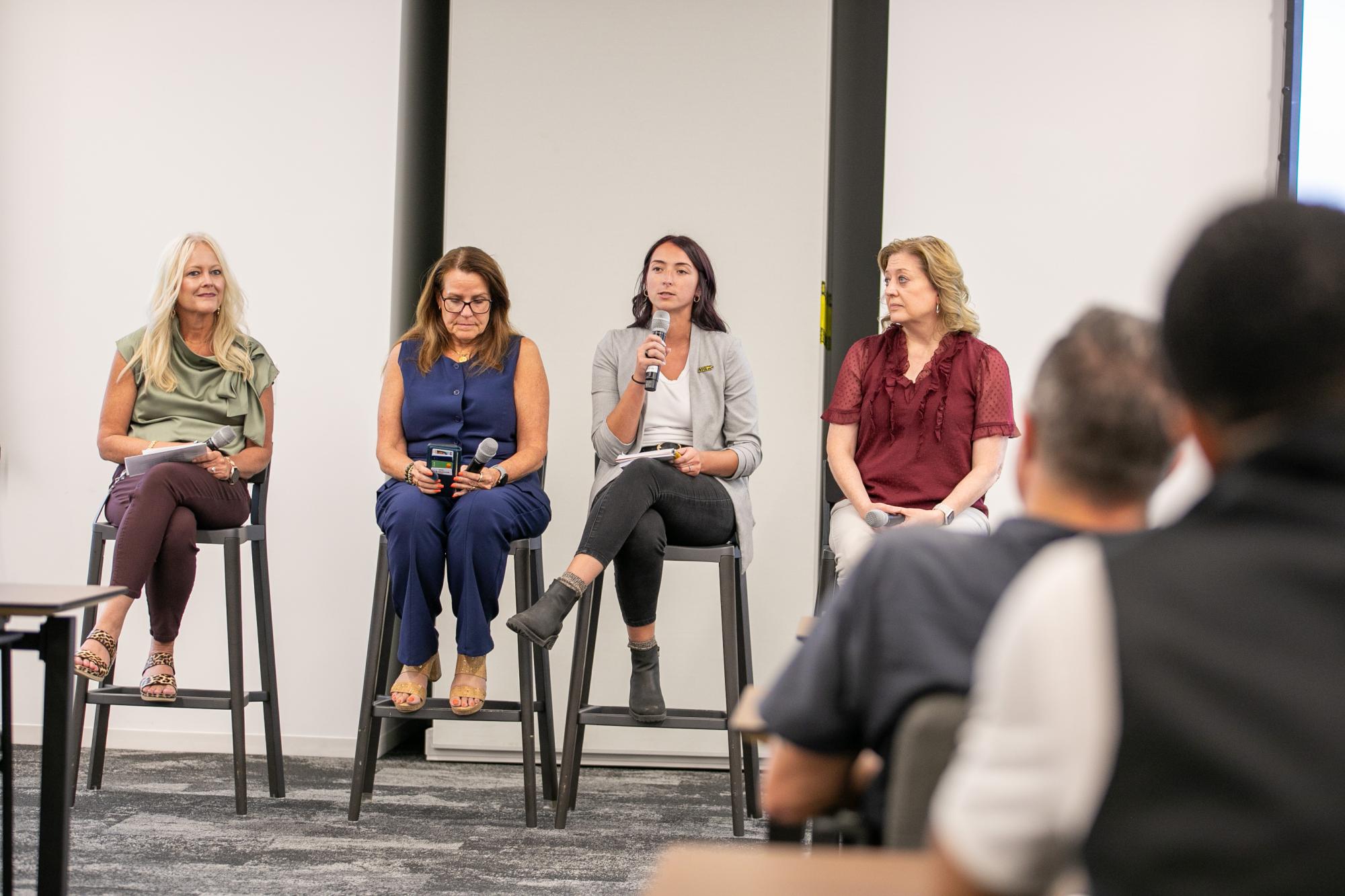
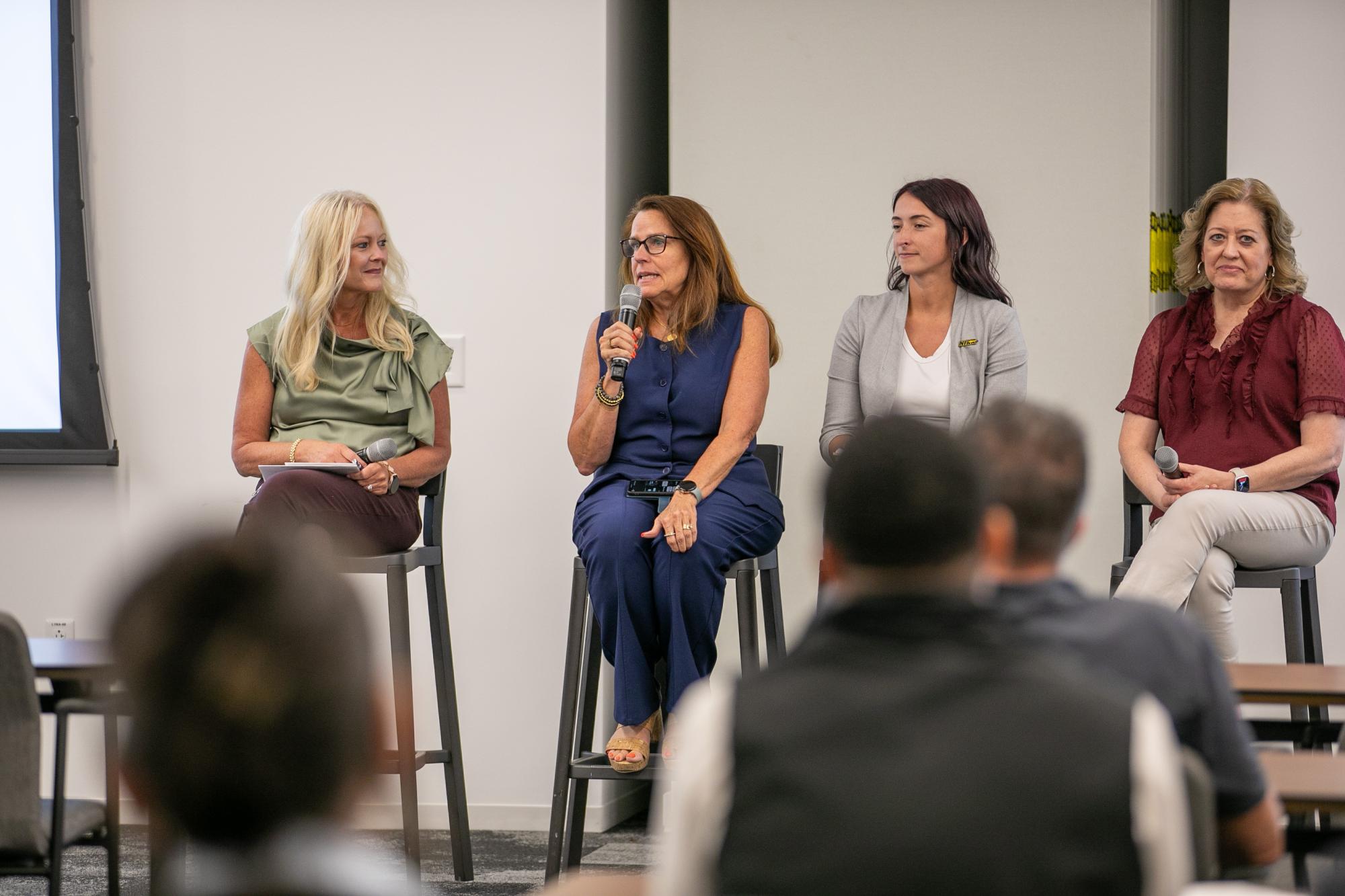
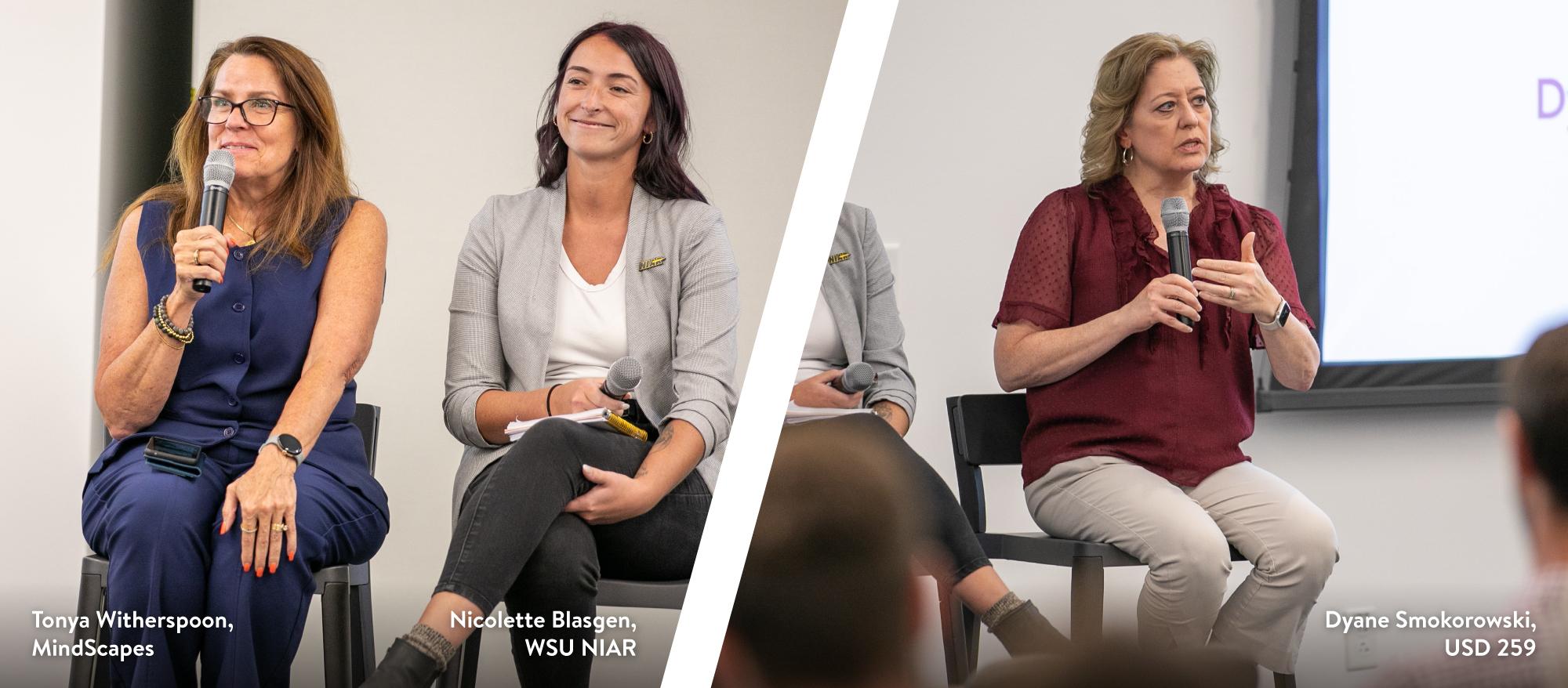
The education panel, moderated by Tonya Knipp of Emprise Bank, featured Tonya Witherspoon of MindScapes, Dyane Smokorowski of USD 259 and Nicolette Blasgen of the National Institute for Aviation Research (NIAR) at Wichita State University.
Panelists shared examples of how AI is already being used in education, including lesson planning, accessibility, research, programming and applied learning.
Wichita Public Schools, for example, is using ChatGPT Enterprise with adult staff to support lesson planning and create more accessible classroom experiences. At NIAR, AI is being used to accelerate research and troubleshooting while maintaining a focus on privacy and industry requirements.
Panelists agreed that being AI-ready starts with knowing the fundamentals.
Students need to understand the content well enough to question AI output, recognize when information may be wrong and determine when AI is an appropriate tool to use. Reading, writing, math, communication, curiosity, judgment and discernment remain foundational.
Witherspoon emphasized that AI should not simply make education faster; rather, it should create opportunities for students to experiment, build and learn in new ways.
The conversation also highlighted the importance of real-world experience, like internships, apprenticeships, and other opportunities to work alongside industry, which can help students develop experience and judgment while giving employers a role in preparing the next generation of talent.
From Conversation to Action
Across both panels, one message was clear: preparing for AI requires intentional collaboration between business and education.
The final question posed to both panels focused on what that collaboration could look like over the next 12 months.
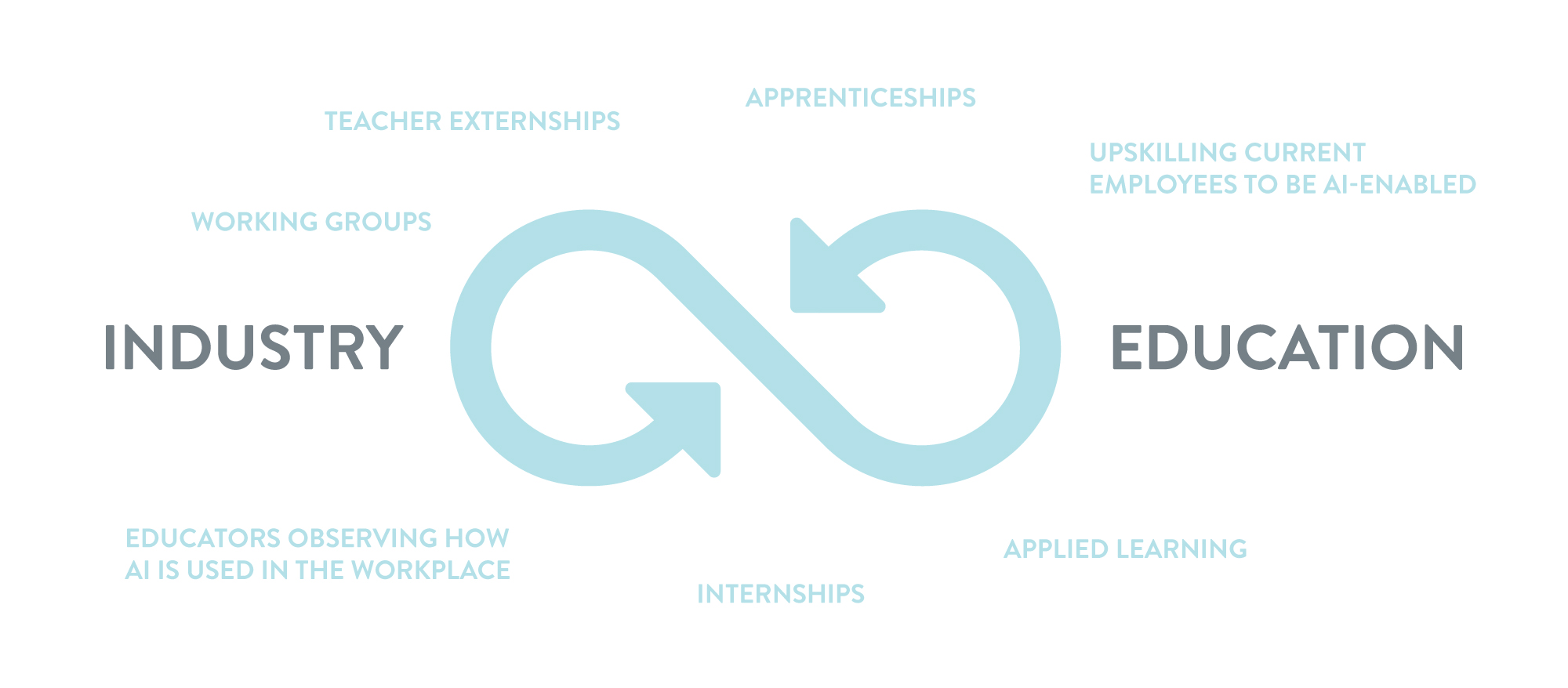
Industry panelists called for an ongoing collaborative loop between employers and educators, including working groups and a greater focus on helping existing employees become AI-enabled rather than relying solely on new hires.
Education panelists emphasized applied learning, internships, apprenticeships and opportunities for educators to better understand how AI and other technologies are being used in the workplace. Smokorowski challenged businesses to open their doors to educators through teacher externships, giving them firsthand exposure to the technologies and practices students will encounter after graduation.
The ideas shared throughout the conversation point to a common opportunity: bring education and industry closer together so people can learn, apply and adapt in real-world environments.