skip to main content
matched
blog-655

Investor Meeting Highlights March 3 Referendum, Wichita’s Ability to Compete Globally

By Emily Barnwell

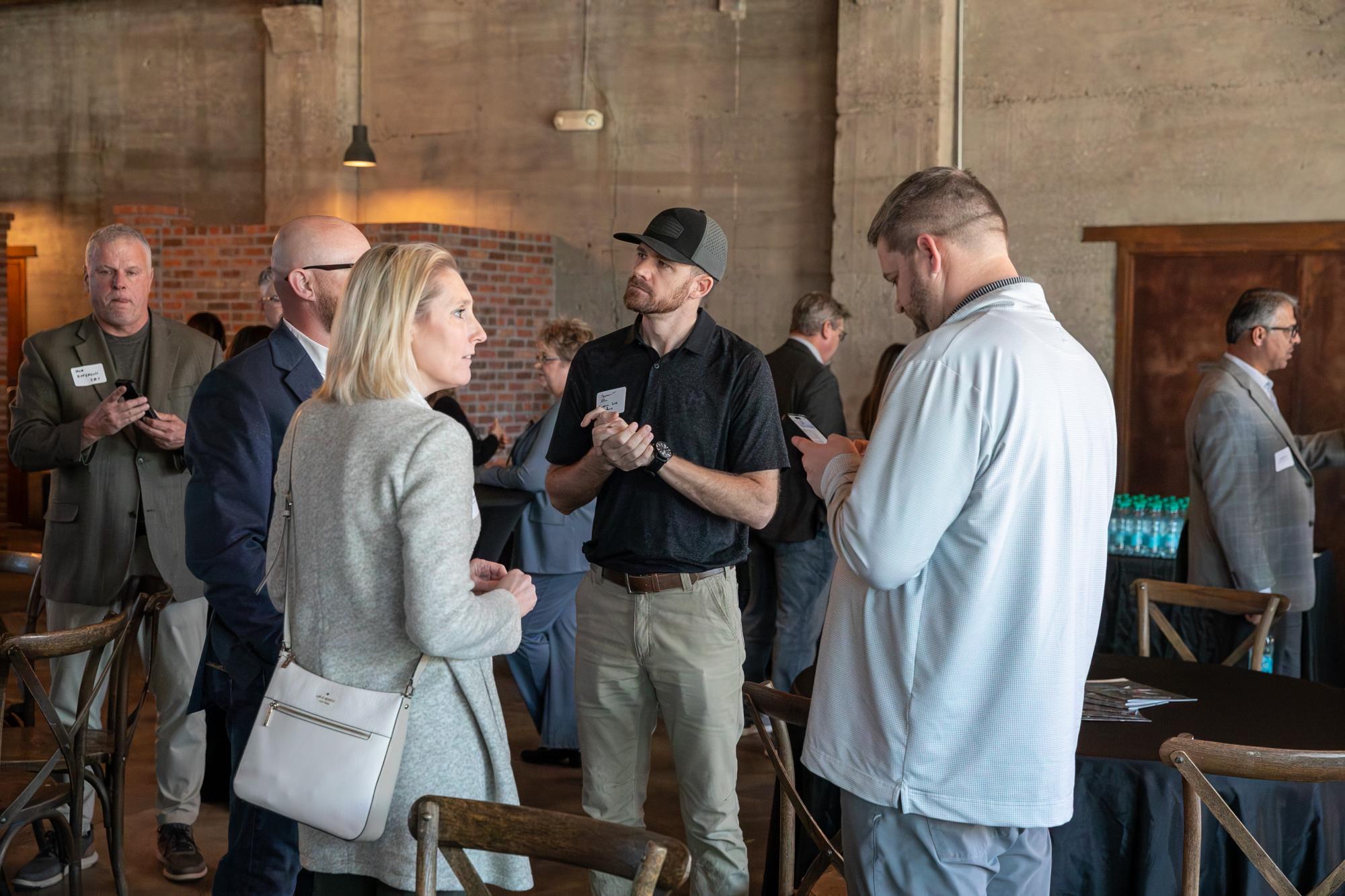
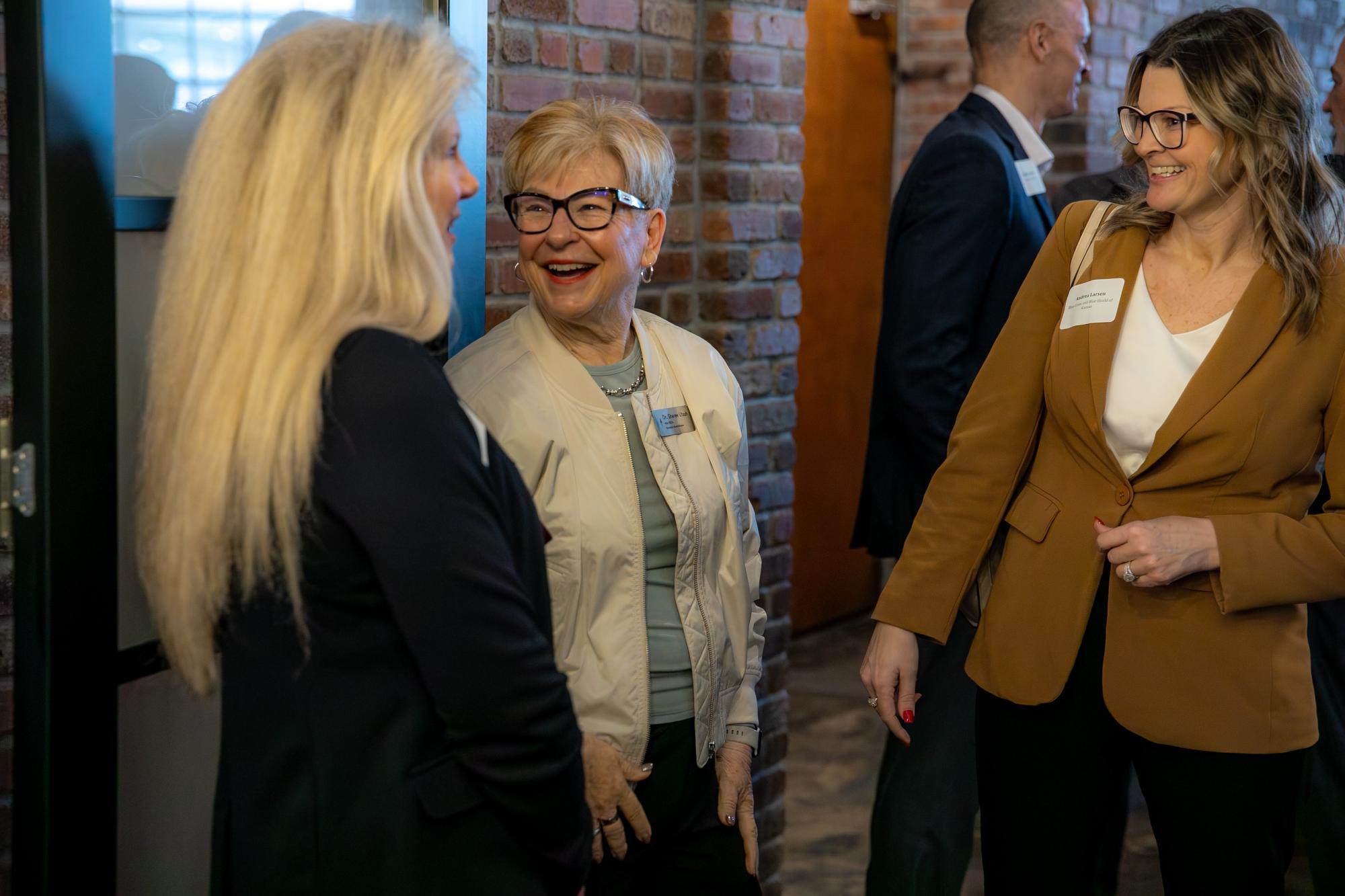
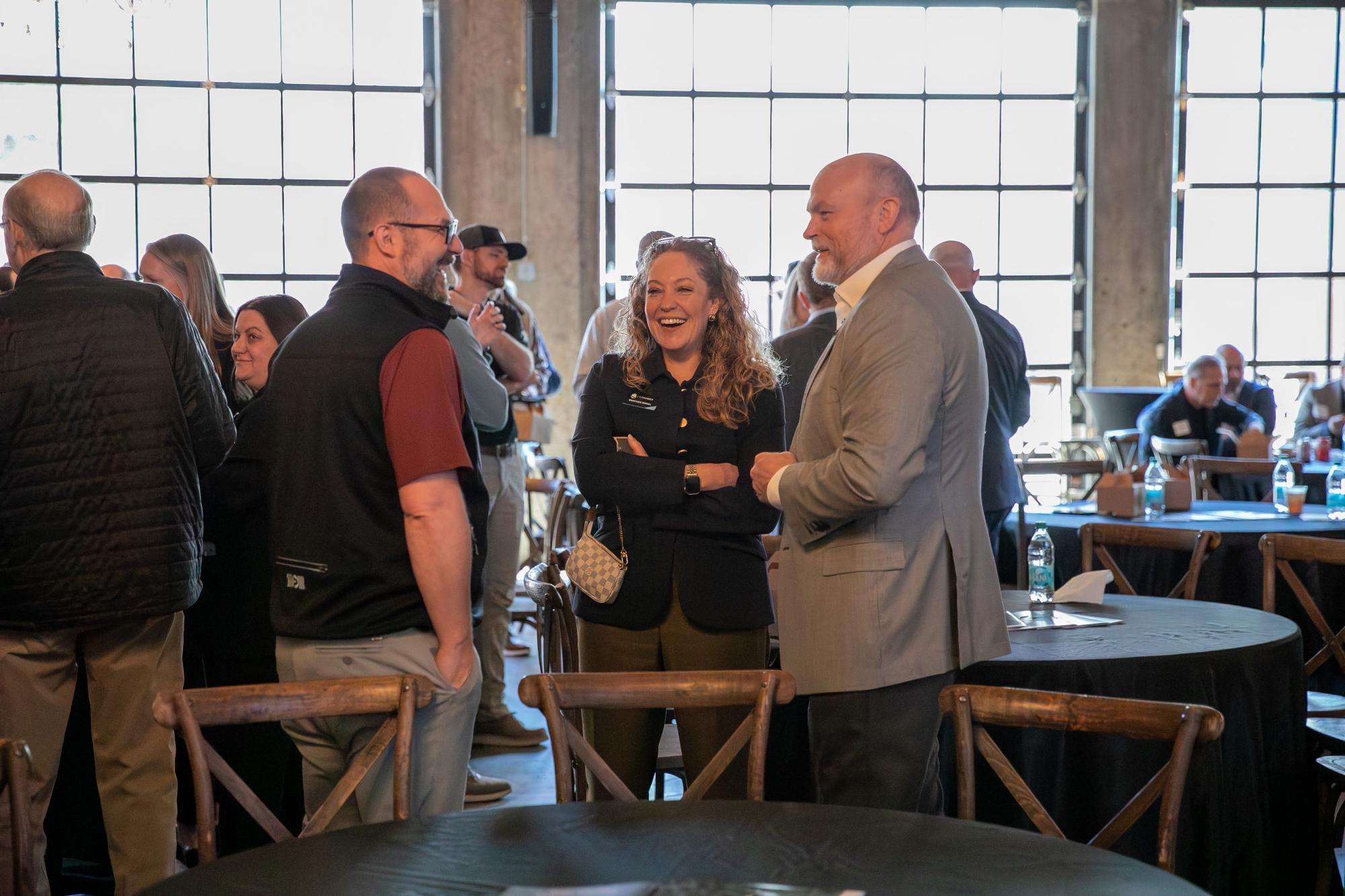
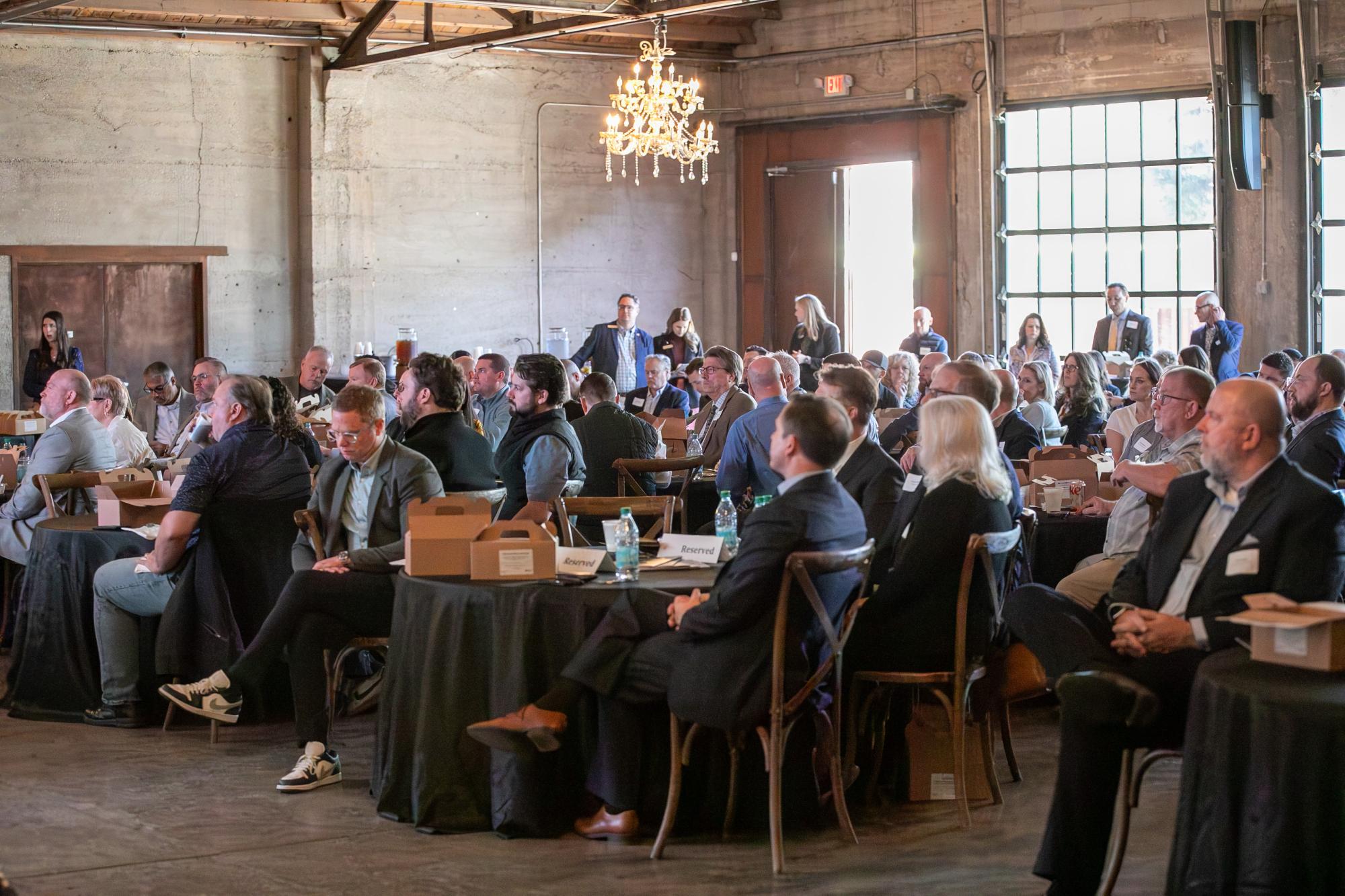
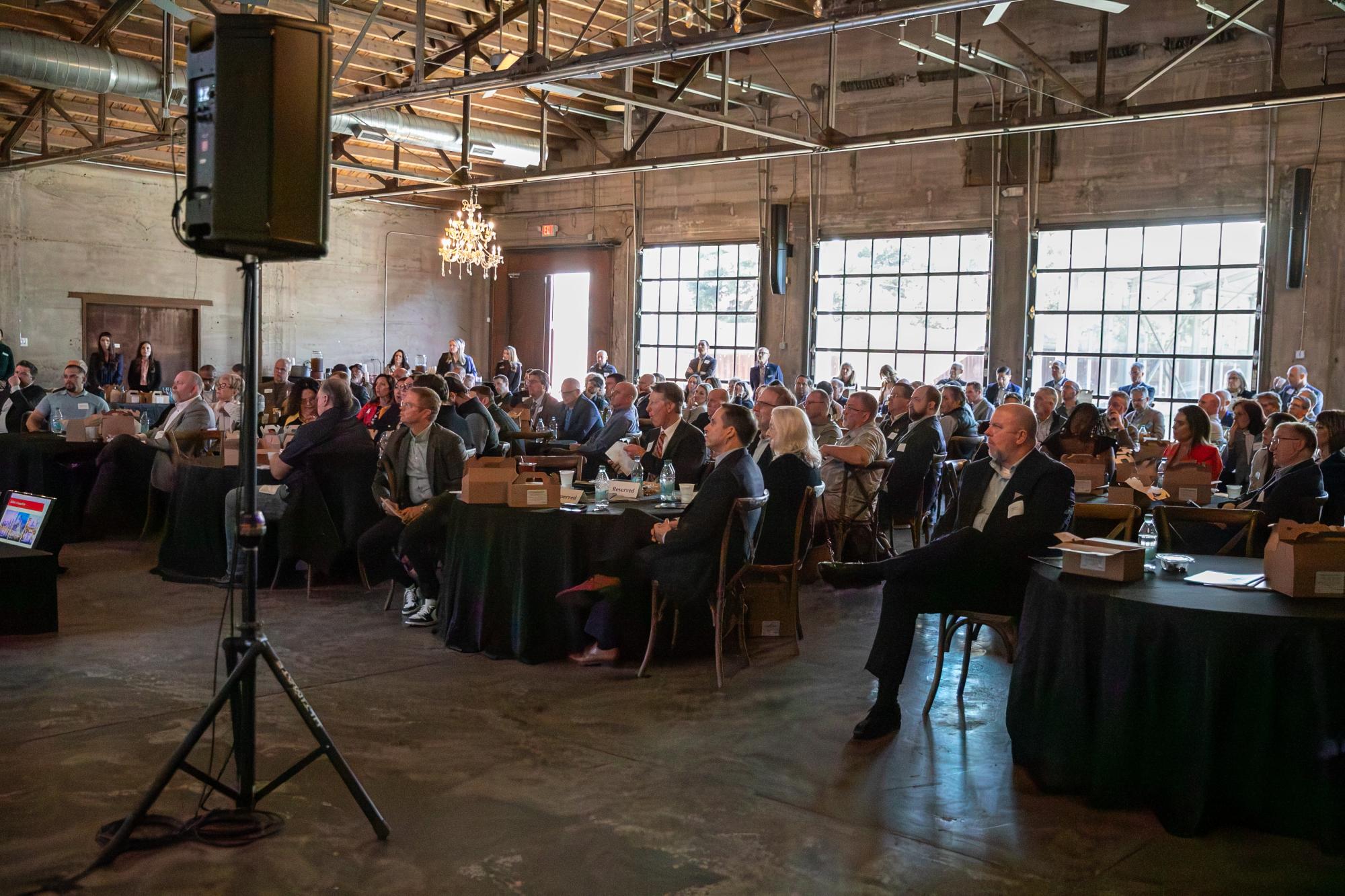
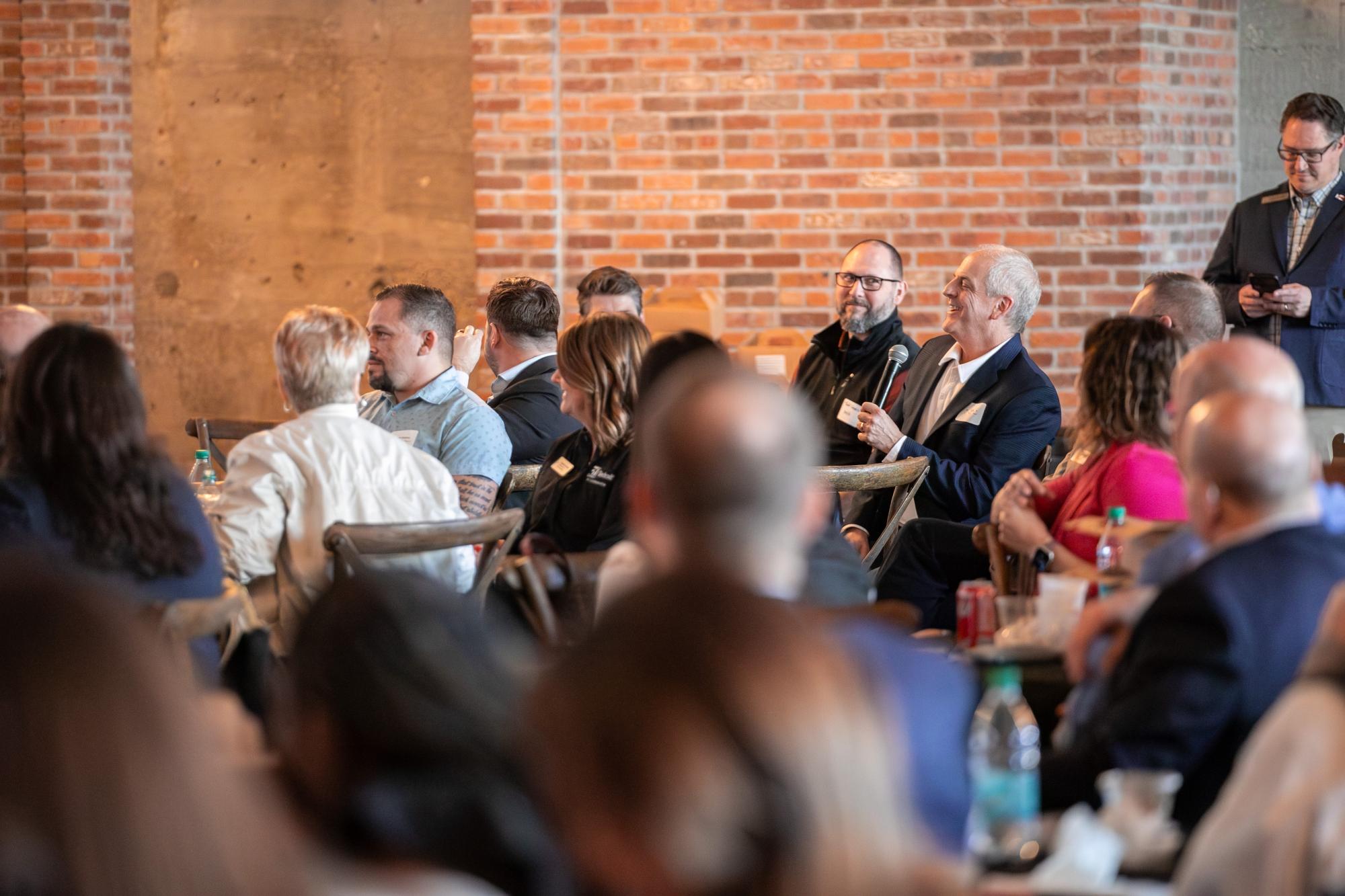
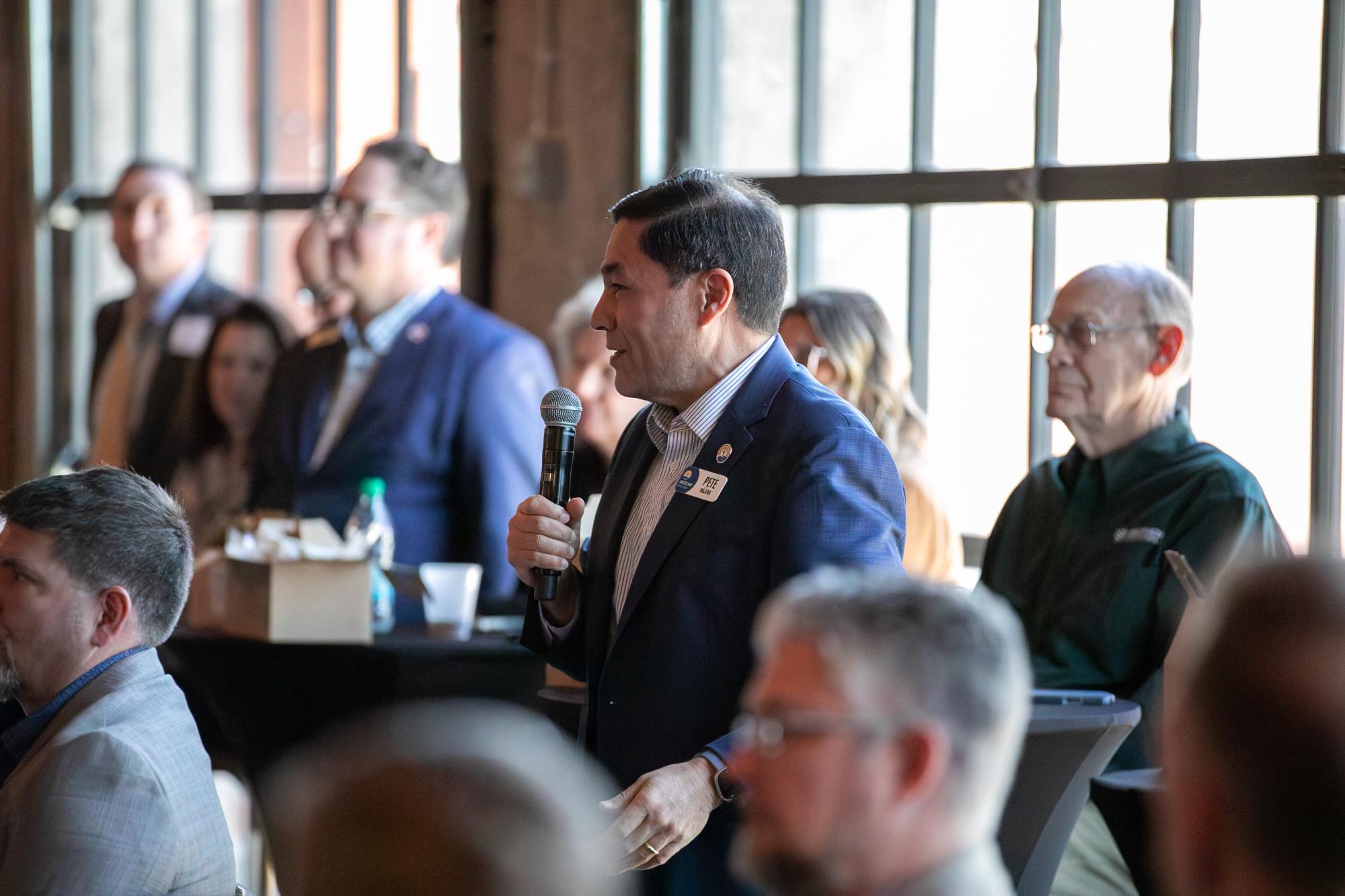
On Feb. 26, Partnership investors and community leaders gathered at Brick & Mortar for the Partnership’s first Investor Meeting of 2026.

Building on last year’s global impact discussion, the meeting connected recent wins, emerging opportunities, and the proposed 1% city-wide sales tax to a broader vision of how Wichita competes nationally and globally.

A Region on the Move

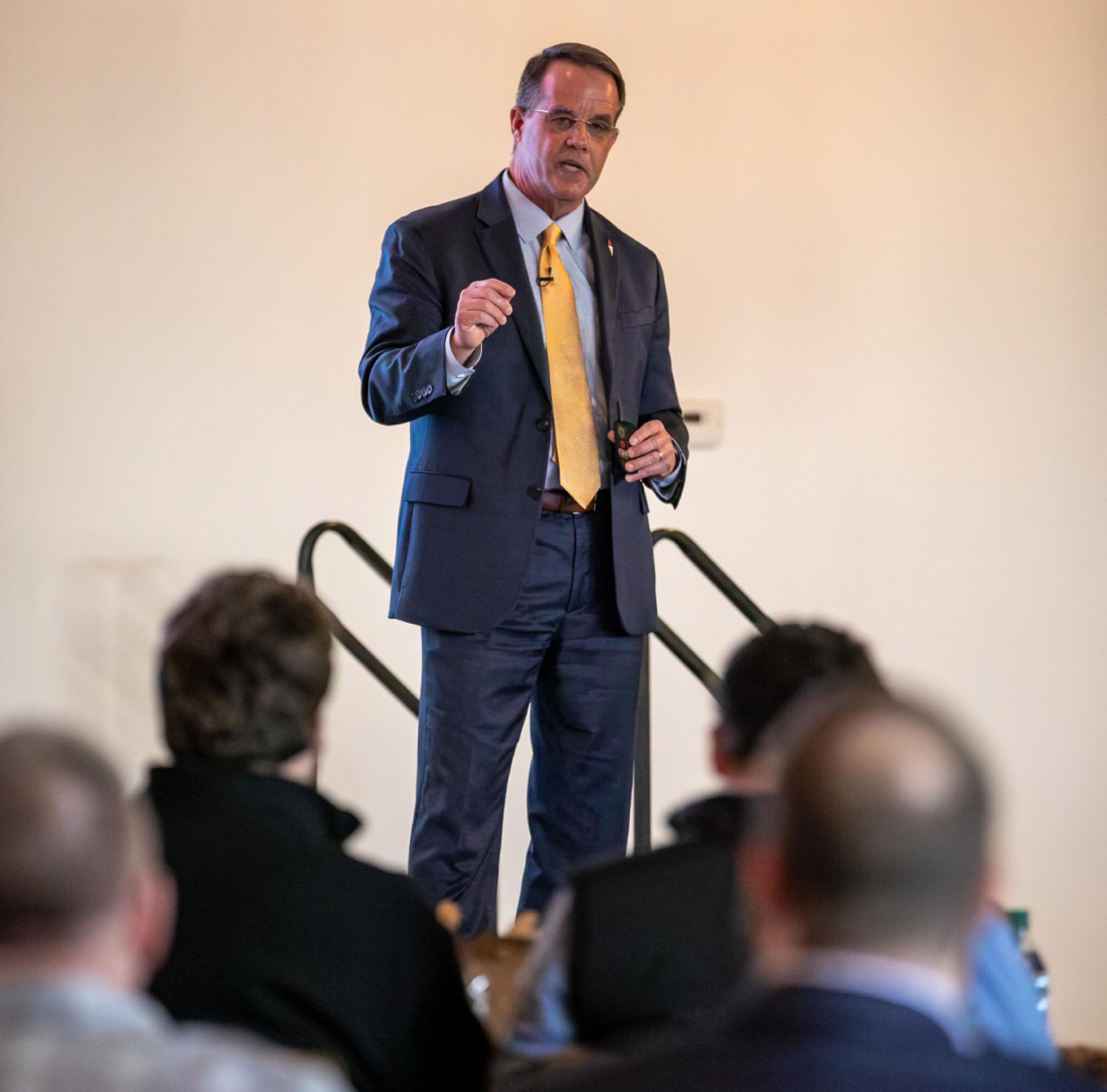
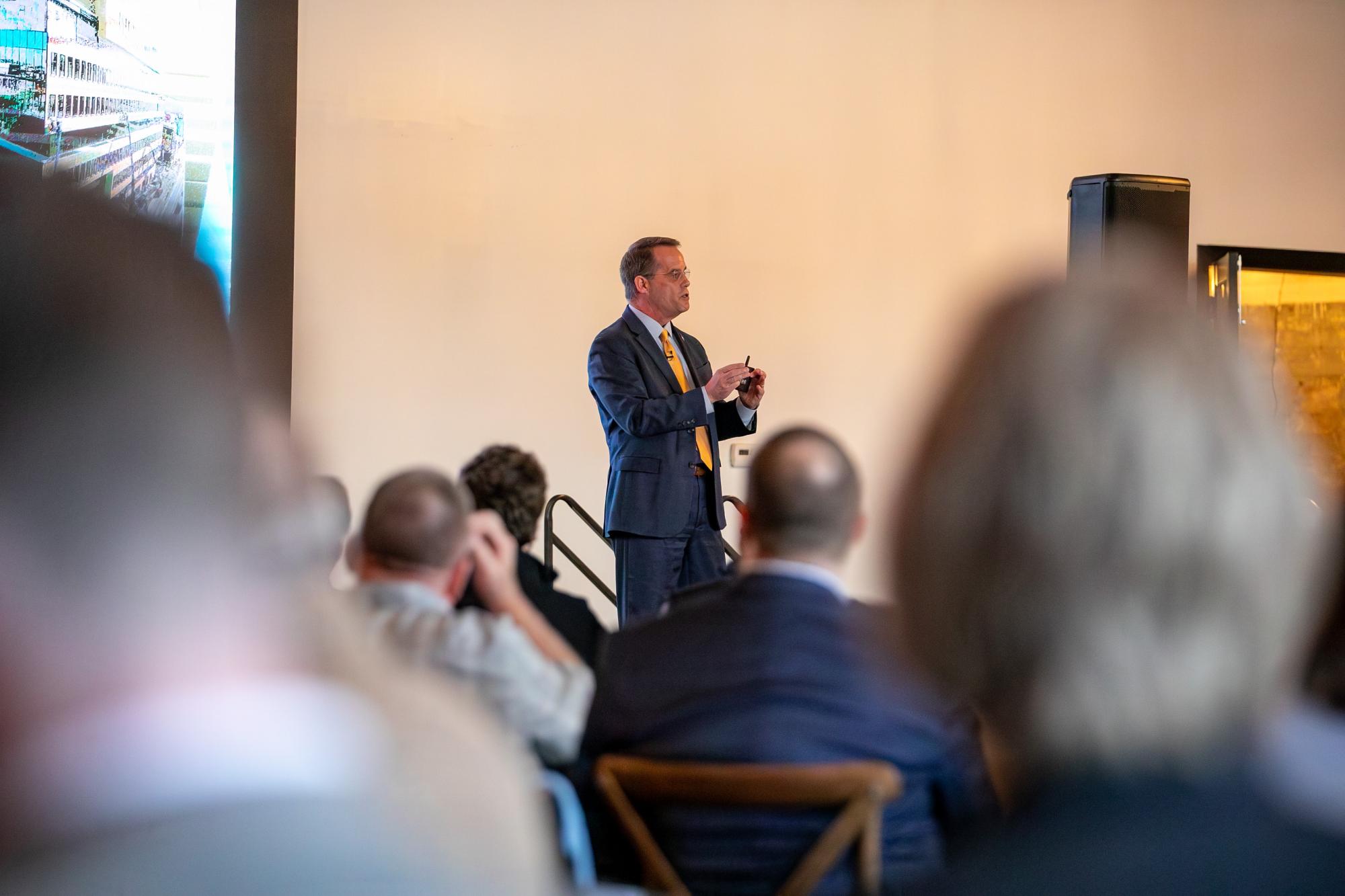
Partnership President Jeff Fluhr opened the meeting by welcoming attendees and highlighting the pace of progress since the 2025 Annual Meeting. From The Boeing Company’s renewed presence in Wichita to economic development announcements and downtown investments, the message was clear: Wichita is not standing still.

Fluhr also noted the Partnership’s return on investment, prospect activity and recent supplier engagements. These data points reinforced the public-private collaboration's continued translation into jobs, capital investment and rising payrolls across the region.

Welcoming New City Manager

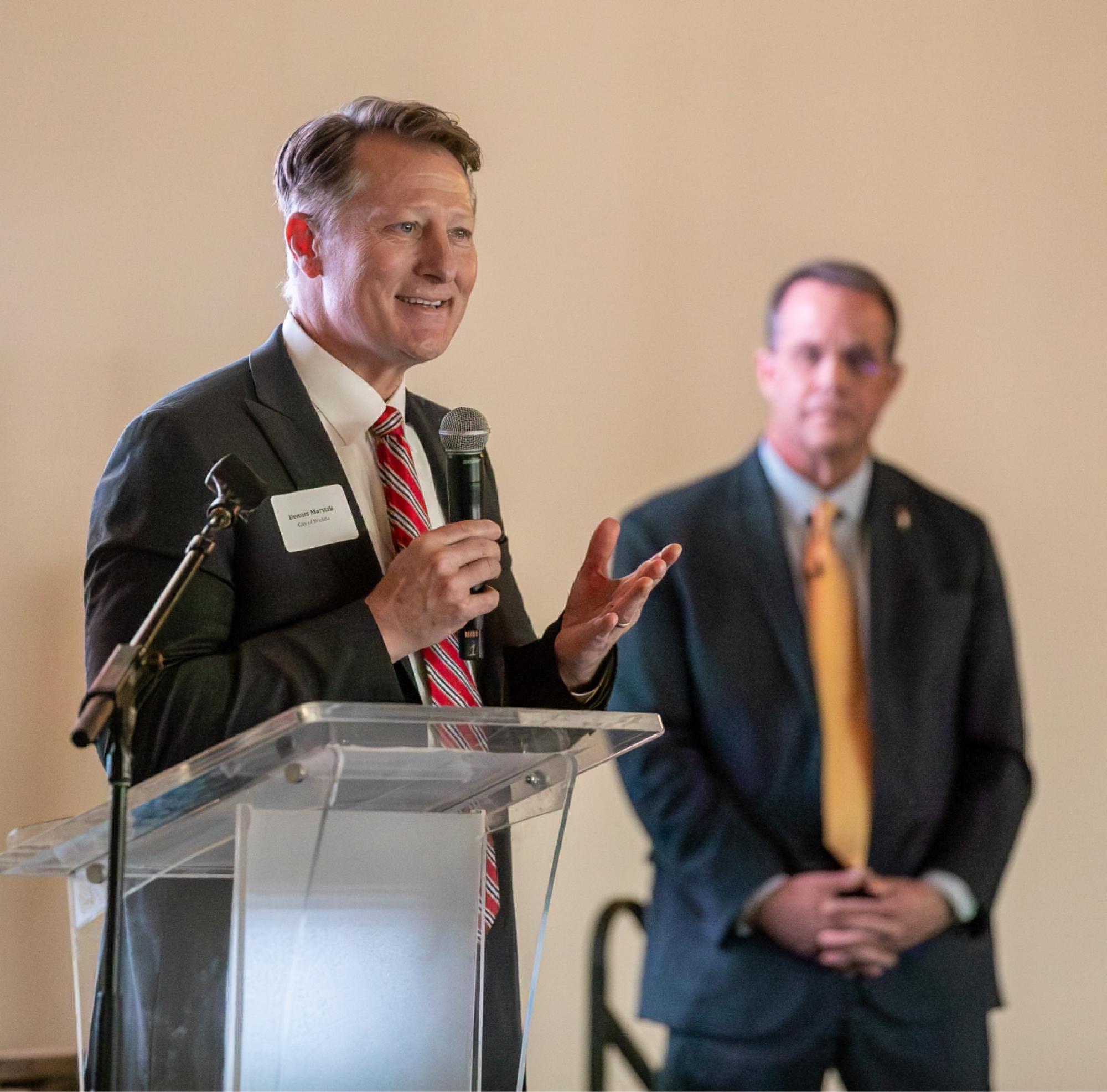
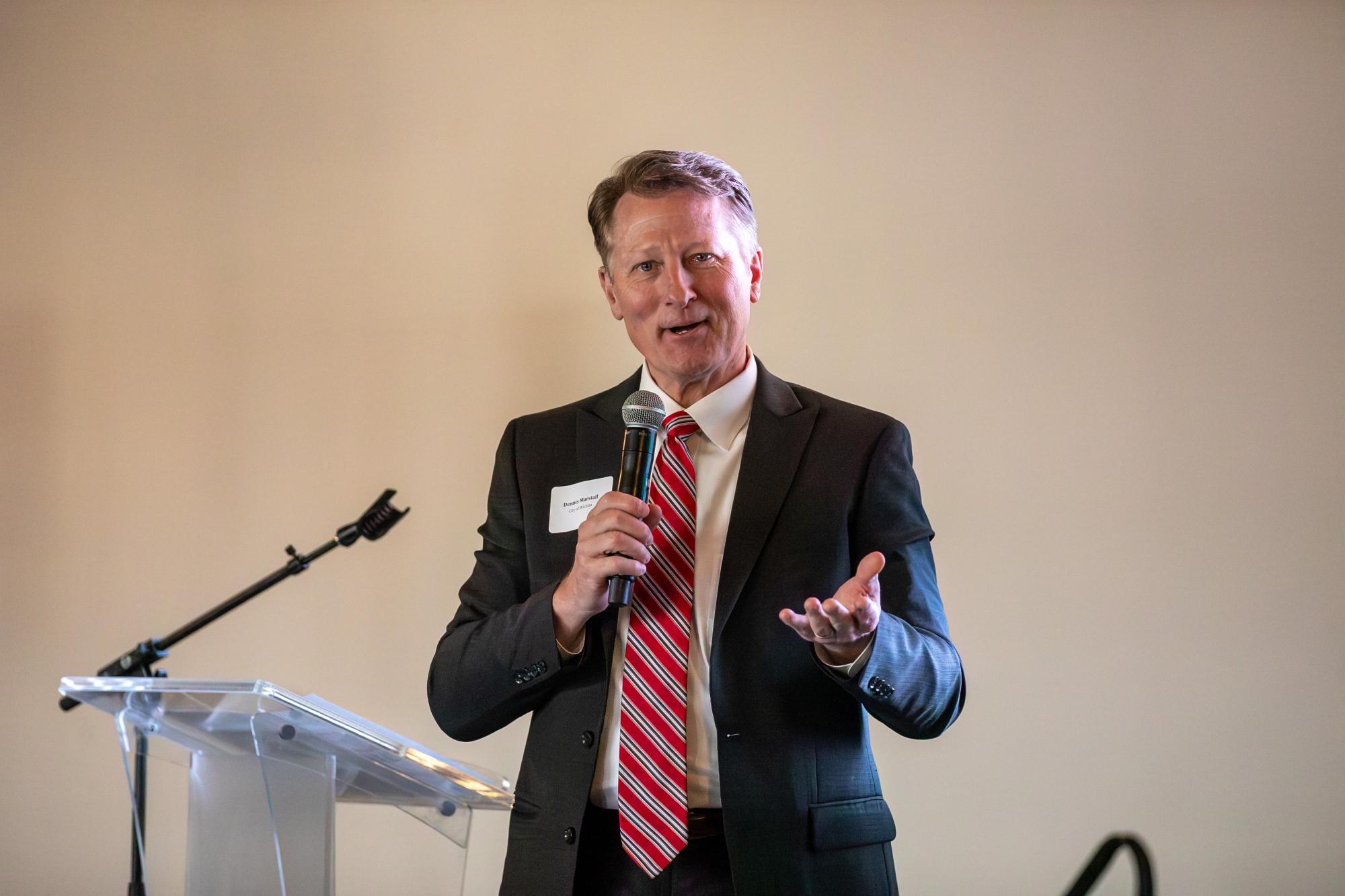
New Wichita City Manager Dennis Marstall shared early observations from his first few weeks on the job.

“It’s an honor to be here and to serve this community. The interview process was humbling, and what stood out to me was how intentionally Wichita has invested in itself, from downtown and the riverfront to core infrastructure,” shared Marstall. “After just six weeks, it’s clear this is a city that wants to succeed. People care deeply about its future, and local government has an important role to play in helping Wichita reach its full potential.”

Positioning Wichita for Continued Success

Fluhr then set the stage for the day’s central conversation: the proposed 1% city-wide sales tax that voters will consider on March 3.

Drawing on lessons from city-to-city visits, including Boise, Chattanooga, Des Moines, Louisville, Oklahoma City, and Omaha, Fluhr emphasized a consistent takeaway: competitive regions invest intentionally and act when the moment calls for it.

“When global companies and talent evaluate regions, they are not looking for short-term wins. They are looking for places that demonstrate a willingness to invest in themselves, including infrastructure, workforce and quality-of-life amenities,” explained Fluhr.

He noted that the sales tax is not a standalone solution, but it is an important tool and a clear signal that Wichita is prepared for the future.

“This is a very critical moment for positioning Wichita for future success, not just to attract new companies, but to grow and retain the ones already here. Taking action now helps ensure Wichita remains a place where people choose to build their careers and their lives,” said Fluhr.

Panel Discussion

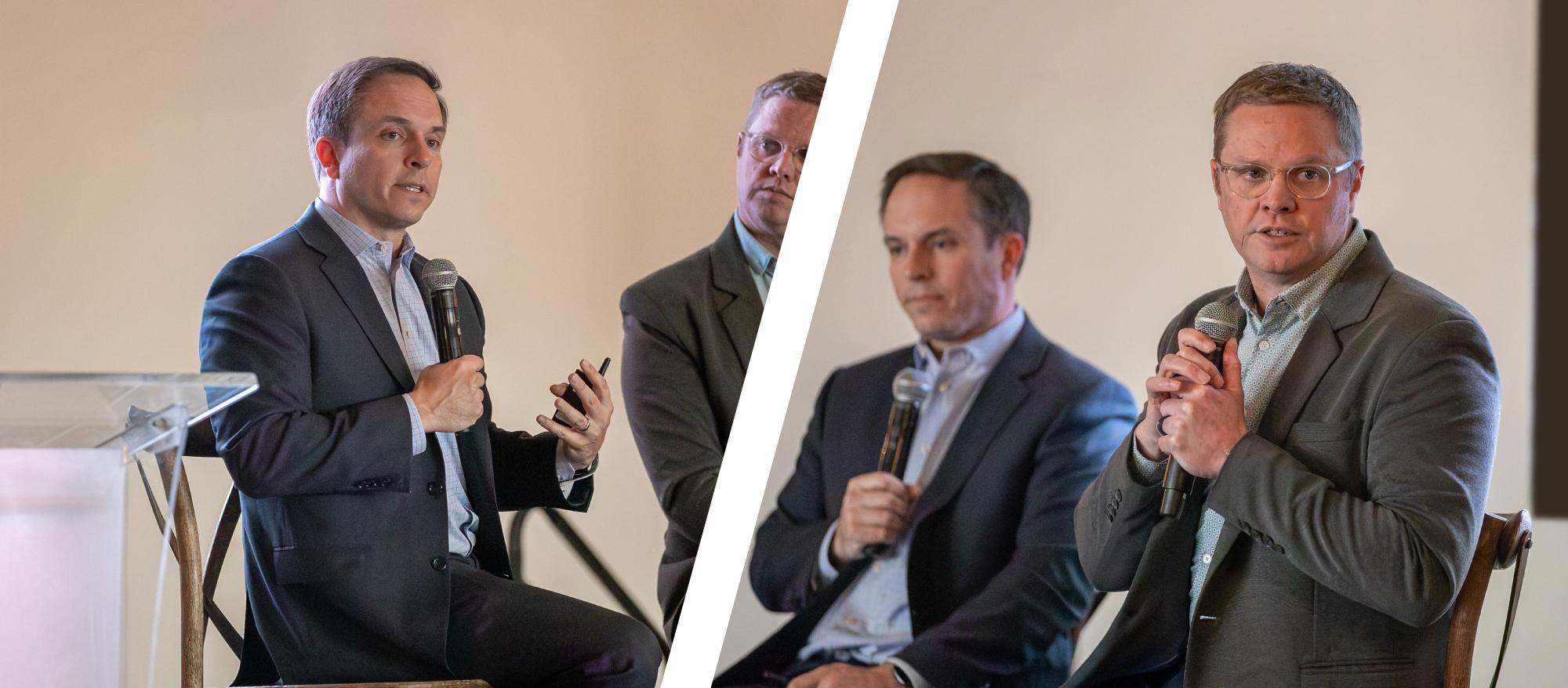
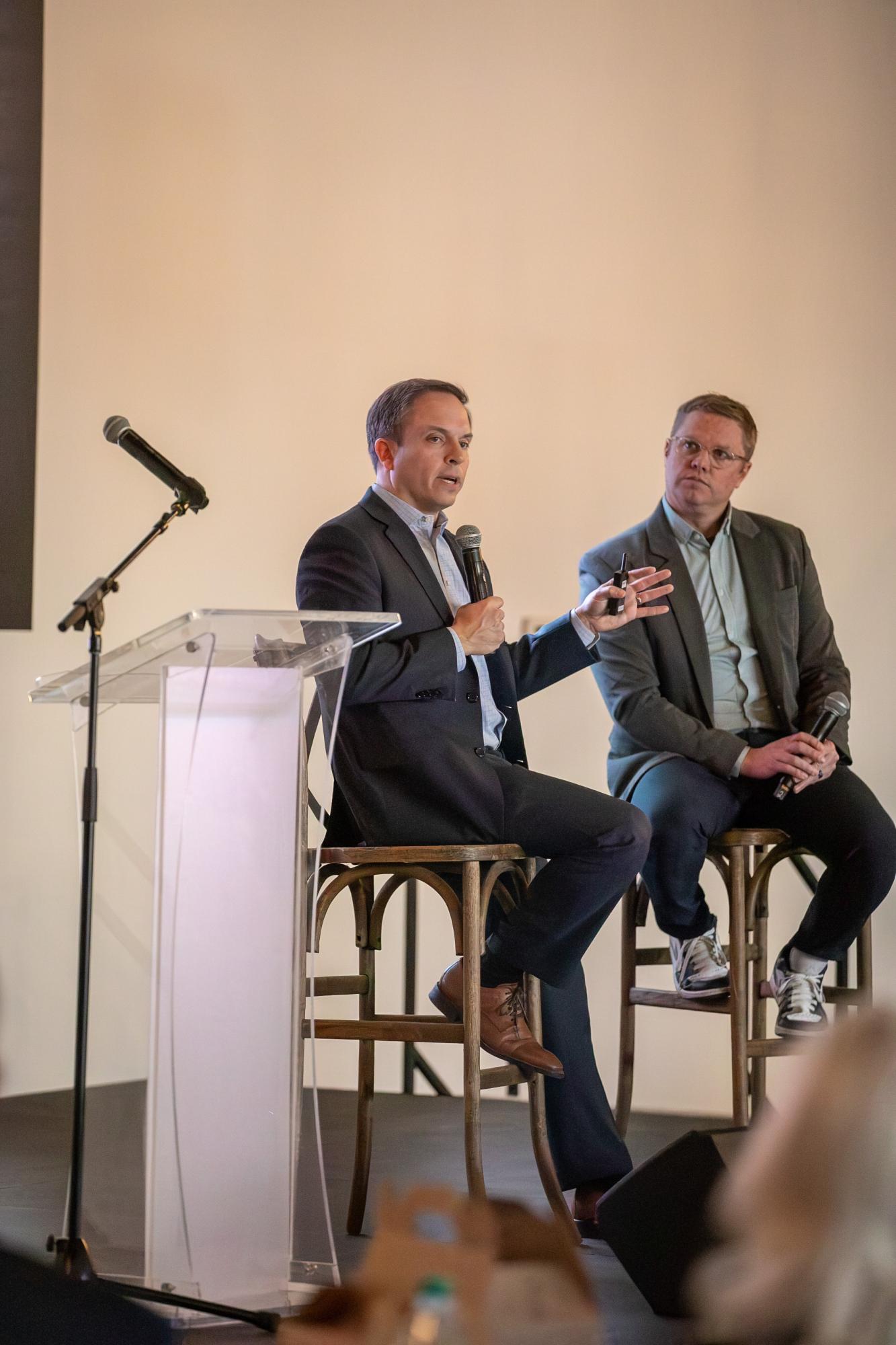
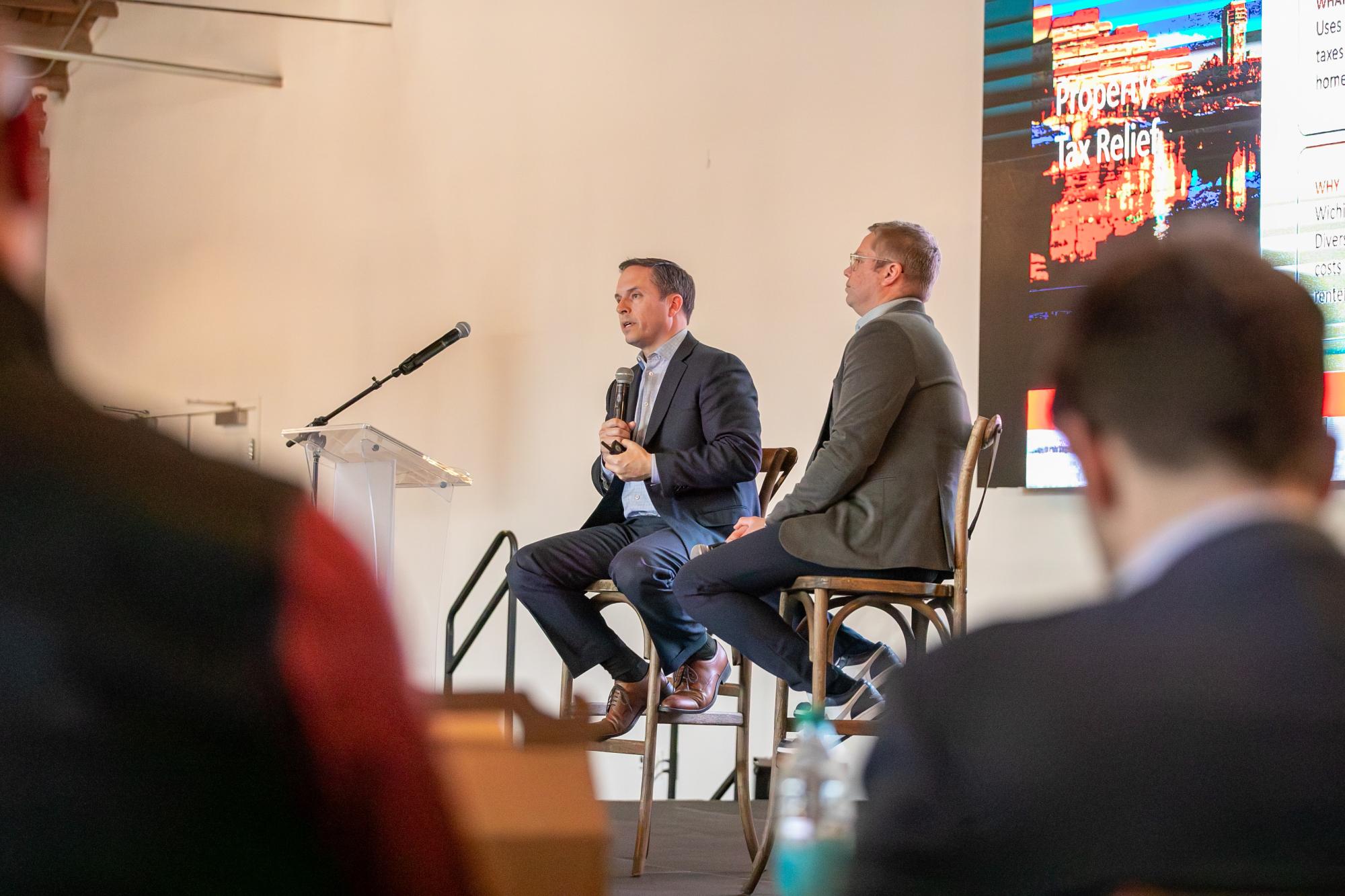
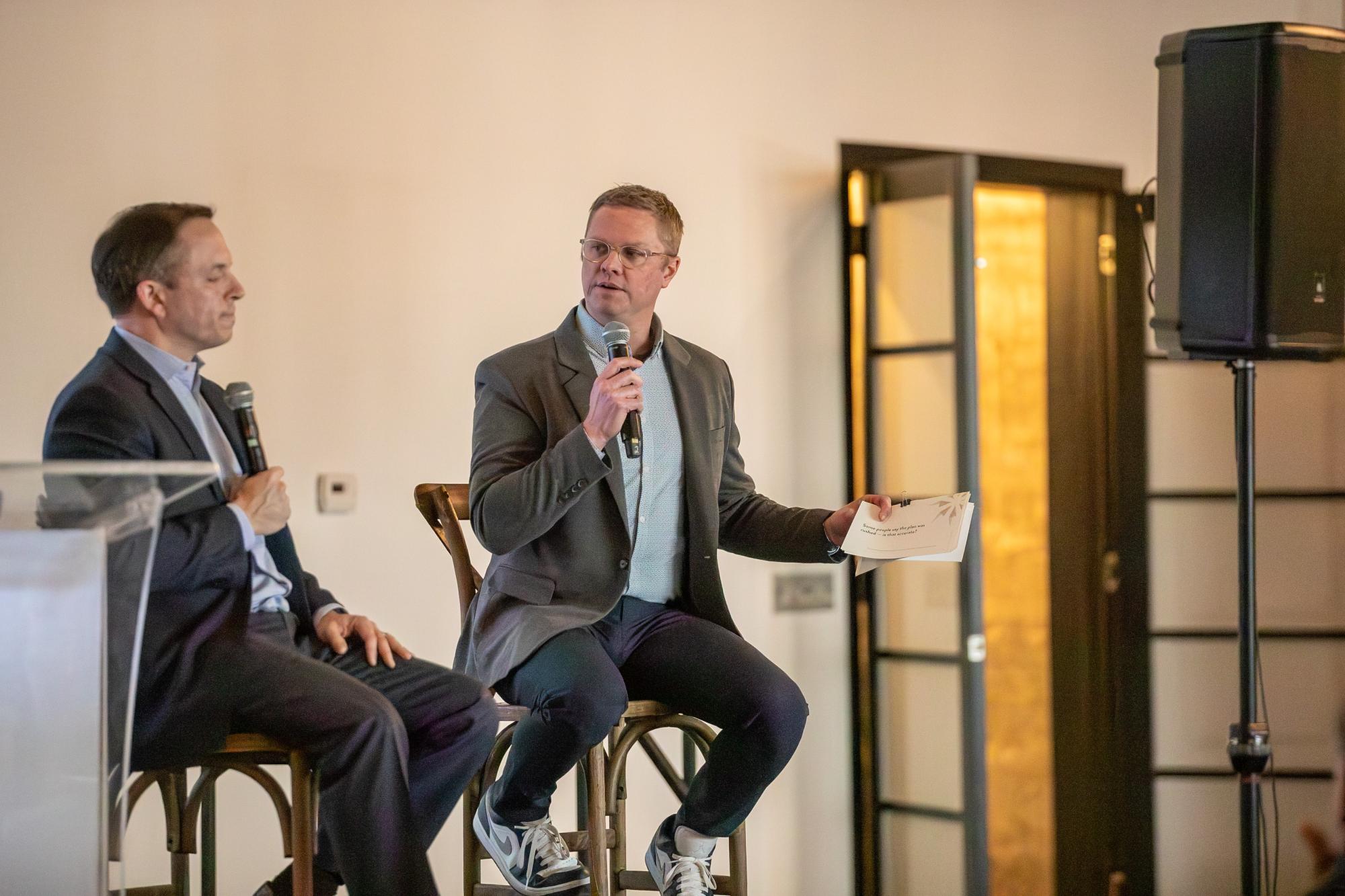
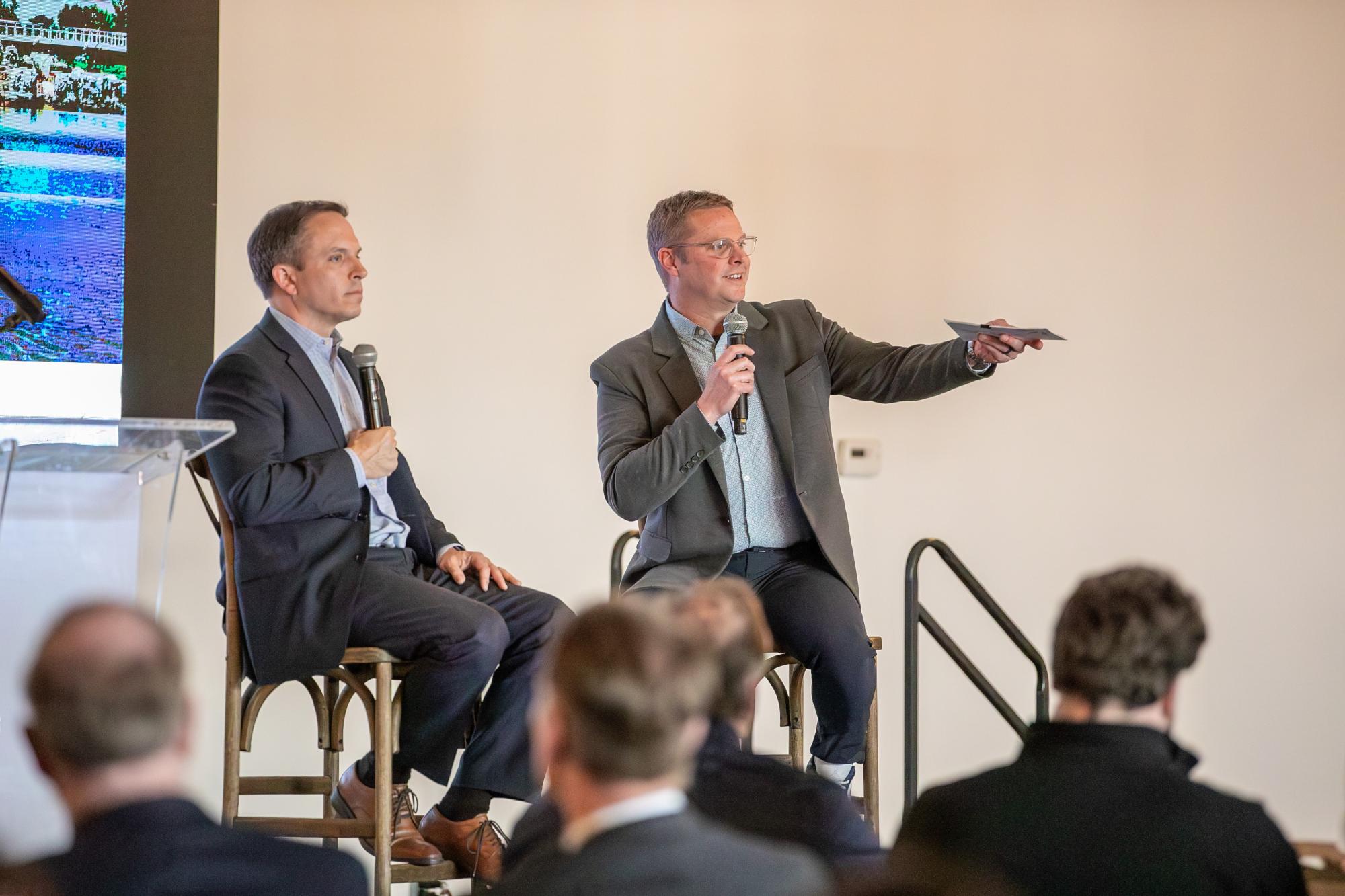
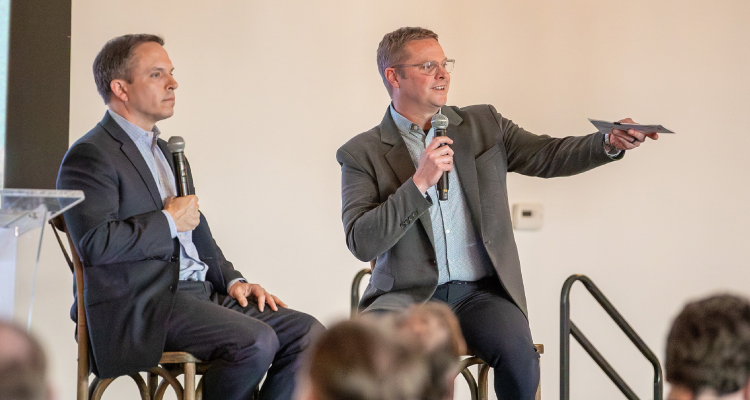
A panel discussion followed, featuring Wichita Forward representatives Aaron Bastian, President and CEO of Fidelity Bank, and Ben Hutton, CEO of Hutton.

The two leaders outlined the proposed sales tax plan, detailing its history, structure and the projects it would support.

They emphasized that the proposal reflects years of studies and collaboration among business, civic and community members.

“The sales tax represents the interests and priorities of our community and is a meaningful first step toward addressing challenges we’ve put off for too long,” Bastian said. “If this passes, it gives Wichita the flexibility to plan, invest and act in ways that strengthen our future.”

“This is a result of years of community-wide discussions. These are not imagined issues,” said Hutton. “No is not a plan for moving forward.”

Together, they explained that the March 3 vote would help balance how the city pays for long-term needs by reducing pressure on property taxes and broadening the city’s revenue sources.

They noted that 20 to 30% of the funding is expected to come from visitors to Wichita, helping keep the city competitive with surrounding communities while supporting infrastructure and quality-of-life investments.

“We have to choose today to create a city that our kids and grandchildren will want to choose a decade from now,” emphasized Hutton.We’ve already waited too long, and the demographics and growth of Wichita compared to our peers show it. Instead of more fretting and talking about it, I choose action.”

“If we want Wichita to be a place our kids and grandkids choose to live, work, and build their lives, we have to be willing to invest in it today,” said Bastian.

Both speakers also highlighted built-in accountability measures, including a 15-member citizen oversight committee, spending parameters, and public transparency requirements, designed to ensure funds are used as promised and aligned with community priorities.

“The citizen-oversight committee provides me with a lot of comfort knowing there is going to be an extra layer of review, and the public will be able to clearly see how funds are used,” explained Bastian.

Bastian and Hutton took questions from the audience and reinforced their “why” behind a yes vote.

“I vote yes to take care of my community today. I vote yes to asking visitors to help pay for our infrastructure, and I vote yes for investing in a community our grandchildren are proud to call home,” shared Hutton.

“I want my kids to know that whatever they do in life, they can do it in Wichita,” said Bastian.

Fluhr closed the meeting with a clear call to action: this is a moment for leadership.

Investors were encouraged to take the conversation back to their organizations, help employees and networks understand what’s at stake, and engage in the March 3 vote.

The Proposed 1% Sales Tax: What Voters Are Considering

On March 3, Wichita voters will be asked whether the city should adopt a time-limited, 1% city-wide sales tax to fund specific community priorities and provide property tax relief.

Key details of the proposal include:

  • The tax would take effect July 1, 2026.
  • It would sunset no later than June 30, 2033.
  • The tax would end once $850 million is collected, or after seven years, whichever comes first.
  • Funds may only be used for the purposes outlined in the ballot language.

Proposed uses of the revenue include:

  • Up to $225 million for public safety, including police and fire facilities, vehicles, equipment and related needs.
  • Up to $250 million for the revitalization of Century II (not to exceed $25 million) and upgraded and expanded convention center improvements (not to exceed $225 million).
  • Up to $150 million for property tax relief.
  • Up to $150 million to establish a restricted-special fund – investment earnings reinvested – to support homeless and housing services: affordable housing projects and programs, shelter facilities, a multi-agency center and related services for people experiencing homelessness.
  • Up to $75 million for the development and construction of a new downtown public performing arts center.

To learn more about the specific guardrails voted on by the Wichita City Council, click here.

This site uses cookies. By continuing to browse this site you are agreeing to our use of cookies. View Privacy Policy.

X